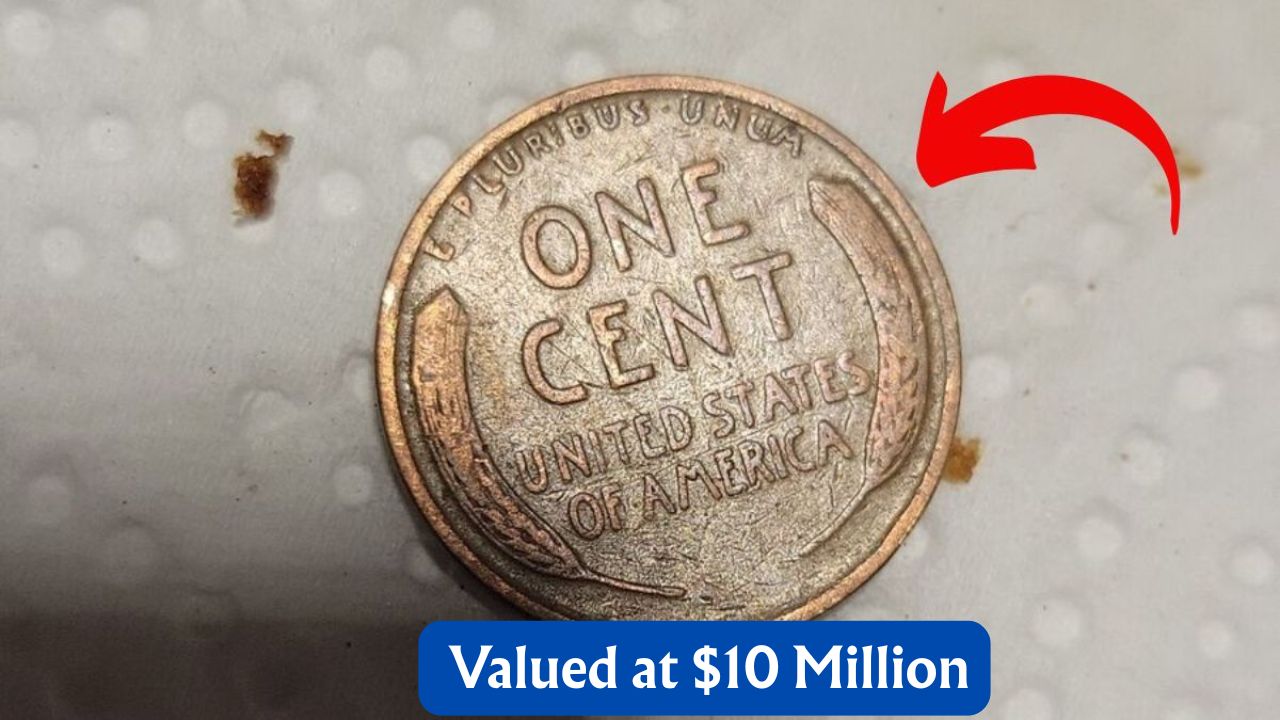
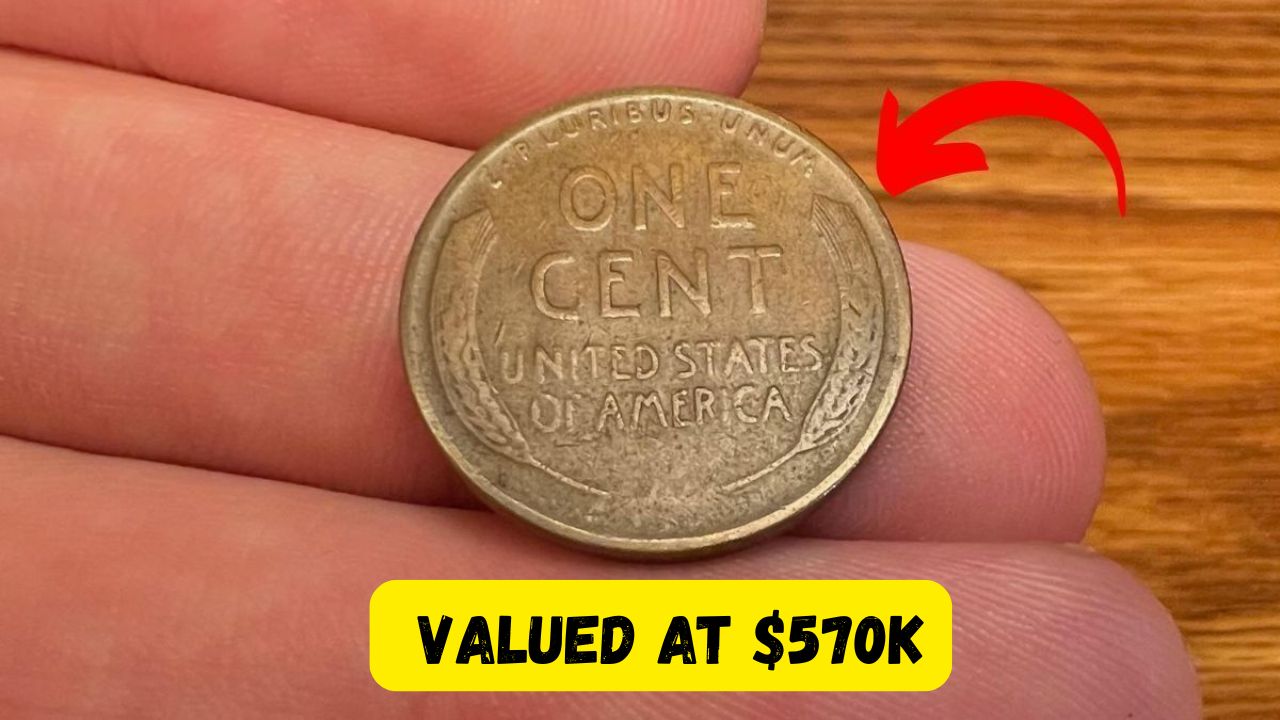
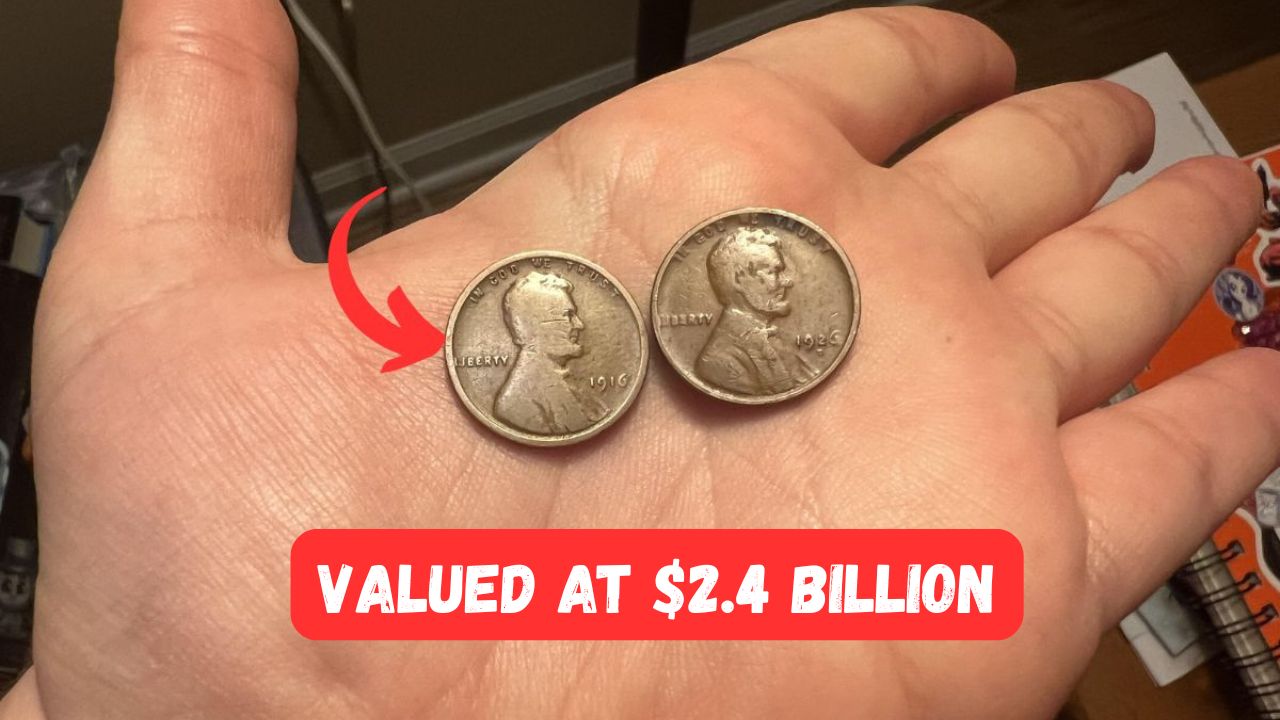
The Lincoln Wheat Penny Valued at $60K : There’s a growing buzz among coin collectors and treasure hunters alike—and it’s all about a humble penny. One particular Lincoln Wheat Penny, valued at up to $60,000, is still believed to be in circulation today. While most pennies are quickly overlooked, this rare coin proves that sometimes, the smallest things can be the most valuable. Let’s explore what makes this Lincoln penny so extraordinary and how you might just discover one in your pocket.
What Is the Lincoln Wheat Penny and Why Do Some Sell for Tens of Thousands?
The Lincoln Wheat Penny was introduced in 1909 and remained in production until 1958. These coins are well-known for their “Wheat” design on the reverse side and for being the first U.S. coin to feature a real historical figure—Abraham Lincoln. While most are common, a few rare variations are considered some of the most valuable coins in the world.
Rarity, historical errors, and minting oddities are what elevate a Lincoln Wheat Penny from pocket change to prized collectible. The $60,000 Lincoln penny isn’t just old—it’s exceptional due to specific production errors and its scarcity in the market.
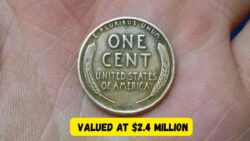
The $60,000 Lincoln Penny: What Makes It So Special?
Among the many Lincoln Wheat Pennies, the one grabbing all the attention is a rare 1944 steel penny. During wartime, the U.S. Mint switched from copper to steel in 1943. By 1944, production had returned to copper. However, a few leftover steel planchets were accidentally used in 1944, creating a highly sought-after error coin.
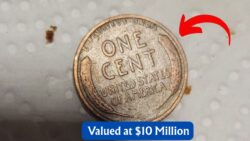
Unique traits of the $60K Lincoln Wheat Penny:
- Date: 1944
- Material: Steel instead of copper
- Weight: Approximately 2.7 grams (copper pennies weigh around 3.11 grams)
- Color: Silver-gray appearance, unlike the usual reddish tone
- Magnet Test: It will stick to a magnet (because it’s steel)
- Rarity: Only a few dozen are known to exist
| Year | Composition | Mint Mark | Error Type | Approximate Value | Special Feature | Circulating Status |
|---|---|---|---|---|---|---|
| 1944 | Steel | D or None | Wrong Planchet | $60,000 | Rare Wartime Error | Possibly Circulating |
| 1943 | Copper | None | Wrong Planchet | $120,000 | Ultra-Rare | Rare |
| 1955 | Copper | None | Double Die | $1,500 – $10,000 | Visible Doubling | Rare |
| 1909 | Copper | S VDB | Low Mintage | $1,000 – $3,000 | First Year Mint | Rare |
| 1922 | Copper | No D | Mint Error | $500 – $3,000 | Missing Mint Mark | Rare |
| 1943 | Steel | D or None | Regular Issue | $0.10 – $3 | WWII Coin | Common |
| 1931 | Copper | S | Low Mintage | $150 – $1,200 | Depression Era | Rare |
| 1914 | Copper | D | Low Mintage | $200 – $4,500 | Collector Favorite | Rare |
How to Tell If You Have the Rare 1944 Steel Penny
It only takes a few seconds to check your change, and doing so could lead to a small fortune. Here’s how to quickly inspect for the valuable 1944 steel penny:
- Start with the date: Look for 1944—normally these should be copper.
- Check with a magnet: If your 1944 penny sticks, you might have the rare steel version.
- Examine the color: A steel penny has a silver-gray tone, not the typical copper color.
- Weigh the coin: Steel pennies are slightly lighter than their copper counterparts.
- Look for wear: Even circulated coins can be valuable if they’re rare enough.
Other Valuable Lincoln Pennies You Should Watch For
While the $60,000 1944 steel penny is the star, several other Lincoln Wheat Pennies are also worth checking for. These coins might not all reach five figures, but they’re still worth far more than face value.
| Type of Penny | Year | Mint Mark | Value Estimate | Key Identifier |
| Double Die | 1955 | None | $1,500 – $10,000 | Doubling on date/lettering |
| First-Year Edition | 1909 | S VDB | $1,000 – $3,000 | Designer initials on reverse |
| Mint Error | 1922 | No D | $500 – $3,000 | Missing Denver mint mark |
| Depression-Era Rare | 1931 | S | $150 – $1,200 | Low mintage |
| War-Era Copper Coin | 1943 | Copper | $120,000 | Struck on wrong planchet |
| WWII Coin | 1943 | Steel | $0.10 – $3 | Silver look, magnetic |
| Classic Key Date | 1914 | D | $200 – $4,500 | Scarcity and age |
How Do Rare Coins Stay in Circulation So Long?
You might wonder why a $60K penny hasn’t been found yet. The truth is, many people don’t check their change closely. Coins can get passed along through generations, sit in old jars, or wind up in donation bins without anyone knowing their true worth.
Estate sales, inheritances, and forgotten collections are all sources where rare coins resurface. Even now, with millions of Wheat Pennies still out there, the chance to find one remains real.
Beginner’s Guide: How to Start Coin Collecting
Getting started with coins doesn’t require a huge investment—just a curious eye and a bit of time. Here’s how you can begin:
- Examine your pocket change regularly.
- Use a magnifying glass to check for doubling and mint marks.
- Buy a coin scale to detect weight differences that can reveal errors.
- Download a coin app or guide to quickly compare values.
- Join coin communities online for insights and discussions.
- Avoid cleaning coins—doing so can drastically lower their value.
Where to Go If You Think You’ve Found a Rare Coin
Found something unusual? Here’s what to do next:
- Visit a certified coin dealer for an initial assessment.
- Submit to a grading service like PCGS or NGC for professional evaluation.
- Consider selling through auctions where rare coins fetch top prices.
- Avoid pawn shops or quick-sale sites where you won’t get fair value.
Conclusion: A Penny Saved Could Be a Penny Earned… Big Time
Finding a rare 1944 steel Lincoln Wheat Penny might sound like winning the lottery—and in a way, it is. With its unique backstory, historical importance, and sky-high valuation, this humble coin is a true treasure in disguise. So the next time you’re about to toss your spare change into a jar, take a second look—you just might be holding $60,000 in your hand.
Disclaimer: Coin values vary based on condition, demand, and market trends. Always consult with professional numismatists before selling or purchasing collectible coins.