The Lincoln Wheat Penny: An American Classic with Big Value
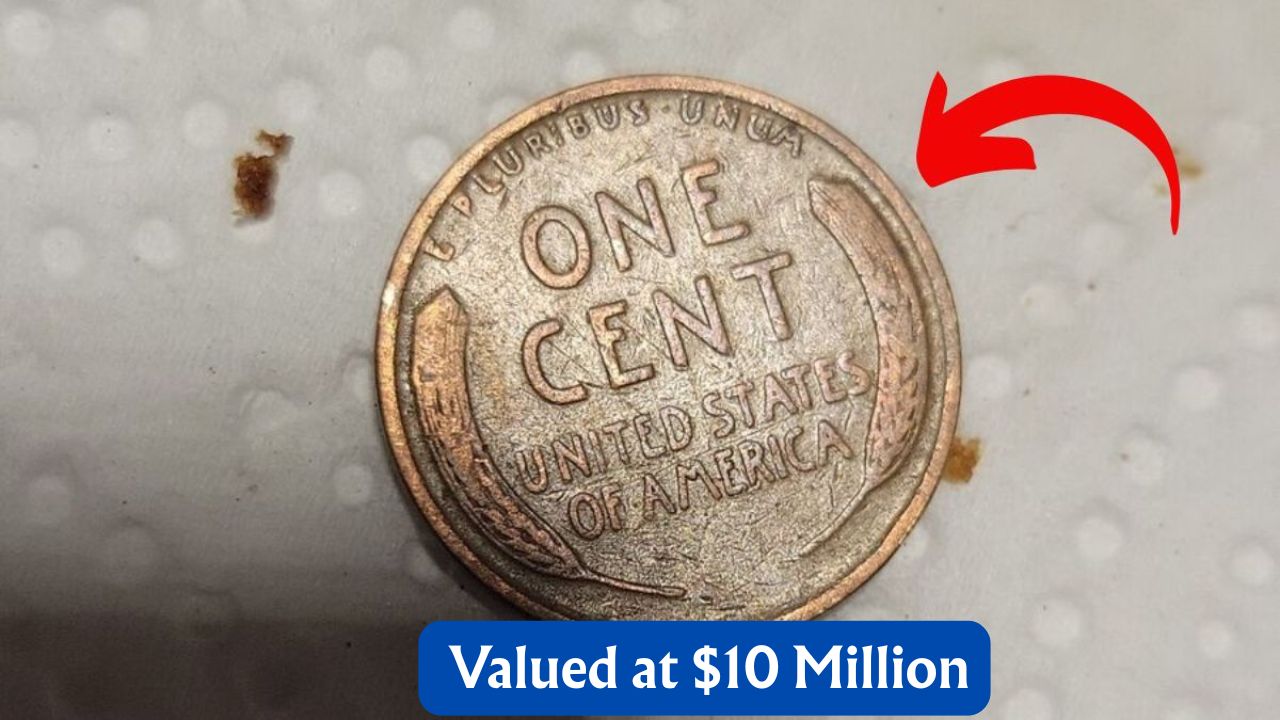
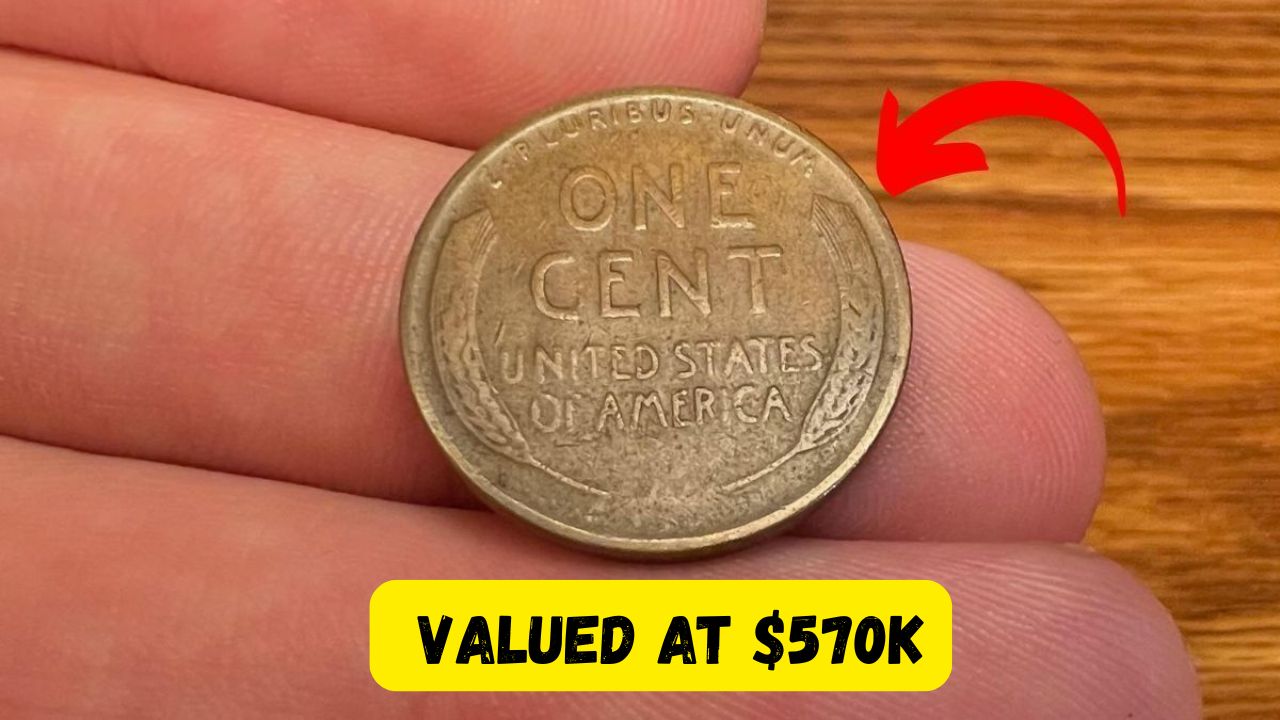
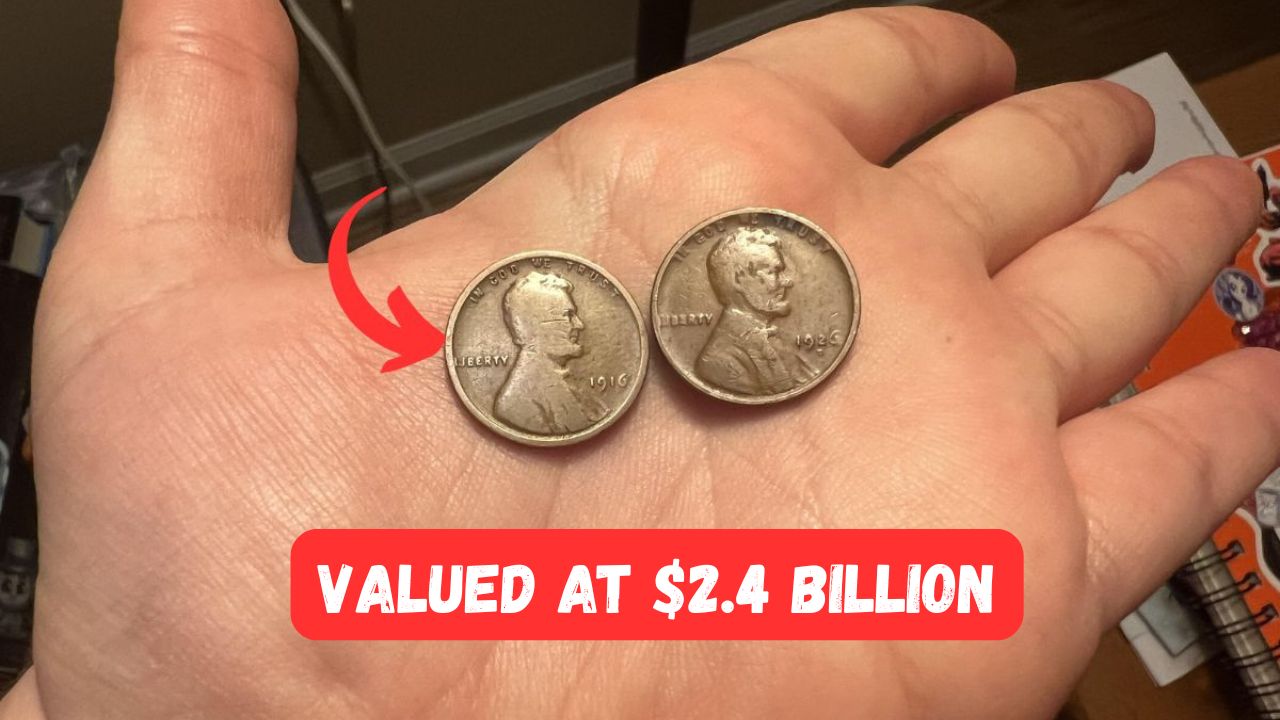
The Lincoln Wheat Penny was introduced in 1909 and was the first U.S. coin to feature an actual person—President Abraham Lincoln. Minted until 1958, these coins are a favorite among collectors for their historical significance and distinct design, which includes two wheat stalks on the reverse.
While millions were produced, only a few have become legends in the coin-collecting world. Why? Because of extremely rare mint errors, unique variations, and incredibly low survival rates in excellent condition. Among those, one version is now valued at up to $55,000.
The $55,000 Lincoln Penny: The Rare 1943 Bronze Penny with No Mint Mark
During World War II, the United States Mint switched from copper to steel for penny production to save copper for the war effort. However, a few bronze planchets (blanks made from copper and tin) were mistakenly used in 1943. Most of these errors were caught—except for a few, including one incredibly rare penny struck without a mint mark.
Key Characteristics of the $55,000 Lincoln Penny:
- Year: 1943
- Mint Mark: None (Philadelphia Mint)
- Metal: Bronze (copper alloy), not the typical 1943 steel
- Weight: 3.11 grams
- Magnetic: No (steel pennies are magnetic)
- Color: Reddish-brown
- Estimated Value: Up to $55,000
Only a handful of these 1943 bronze pennies without a mint mark have ever been confirmed, making them one of the most coveted coins in the world.
| Year | Mint Mark | Metal Type | Error Type | Value Range | Unique Feature | Circulating Status |
|---|---|---|---|---|---|---|
| 1943 | None | Bronze | Wrong planchet | Up to $55,000 | Copper instead of steel | Possibly |
| 1943 | D | Copper | Wrong planchet | Up to $83,000 | Denver Mint version | Rare |
| 1943 | S | Copper | Wrong planchet | Up to $63,000 | San Francisco Mint | Rare |
| 1944 | Steel | D or None | Leftover metal | Up to $60,000 | Steel when it should be copper | Rare |
| 1955 | None | Copper | Double die | $1,500 – $10,000 | Strong doubling | Rare |
| 1909 | S VDB | Copper | Low mintage | $1,000 – $3,000 | First-year design | Rare |
| 1922 | No D | Copper | Mint error | $500 – $3,000 | Missing mint mark | Rare |
| 1931 | S | Copper | Low mintage | $150 – $1,200 | Great Depression era | Rare |
How to Tell If You Have the $55K Penny
Checking for this rare penny doesn’t require any expensive tools—just a bit of attention and curiosity. Here’s how to identify it:
- Look at the year: Any 1943 penny should be inspected closely.
- Check the metal: Steel coins are gray and magnetic. A bronze penny will look brownish-red and won’t stick to a magnet.
- Weigh it: Bronze pennies weigh 3.11 grams, compared to 2.7 grams for steel.
- Check for a mint mark: A true $55K version will have no mint mark below the date.
- Don’t clean the coin: Even if it looks dirty, cleaning lowers its value significantly.
Other Rare Lincoln Pennies to Watch For
While the 1943 bronze penny with no mint mark is an incredible find, it’s not the only Lincoln Wheat Penny that could earn you a small fortune. Here are some others you should be aware of:
| Coin Type | Year | Mint Mark | Value Estimate | Key Identifier |
| 1943-D Copper Penny | 1943 | D | Up to $83,000 | Wrong metal used |
| 1943-S Copper Penny | 1943 | S | Up to $63,000 | Rare San Francisco issue |
| 1944 Steel Penny | 1944 | D or None | Up to $60,000 | Reverse error |
| 1955 Double Die | 1955 | None | $1,500 – $10,000 | Visible doubling |
| 1909-S VDB | 1909 | S | $1,000 – $3,000 | First year with initials |
| 1922 No D | 1922 | No D | $500 – $3,000 | Mint mark missing |
| 1914-D | 1914 | D | $200 – $4,500 | Key date rarity |
Why Rare Pennies Are Still Found in Circulation
Despite being incredibly valuable, coins like the 1943 bronze penny without a mint mark have a way of slipping through the cracks. Many are sitting unnoticed in old jars, coin collections, or inherited estates. Others are casually spent by people who don’t recognize their worth.
The U.S. Mint produced billions of pennies, and some rare versions are still hiding in plain sight. That’s why coin collectors and sharp-eyed spenders still keep a close eye on their change.
Getting Started: Beginner Tips for Coin Collecting
Whether you’re looking to get lucky or start a real hobby, coin collecting is fun, educational, and potentially profitable. Here’s how to start:
- Inspect all your change—especially coins before 1960.
- Buy a magnifying glass and coin scale for more accurate checks.
- Study online coin guides and forums to learn what to look for.
- Never clean coins, as it drastically reduces their value.
- Use protective sleeves or albums to store valuable finds.
- Join a local or online coin club to connect with other enthusiasts.
What to Do If You Think You’ve Found a Rare Penny
You’ve found a suspicious-looking 1943 penny—now what?
- Do a magnet test: If it doesn’t stick and looks copper, move to the next step.
- Weigh it: 3.11 grams suggests a bronze version.
- Contact a reputable grading service like PCGS or NGC for authentication.
- Consult a certified coin dealer for further insight and valuation.
- List through auctions if verified—coins like this draw high bids.
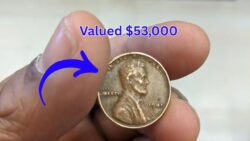
One Penny Could Be a Payday
A penny may seem insignificant, but the rare 1943 bronze Lincoln Wheat Penny proves that the smallest coin can carry massive value. With up to $55,000 at stake, it’s worth your time to check every coin you come across. The next time you receive change, don’t just toss it aside—inspect it. You might just find a forgotten piece of history that could change your future.
Disclaimer: Coin prices vary based on market conditions and grading. Always have rare coins authenticated by certified numismatic experts before buying or selling.