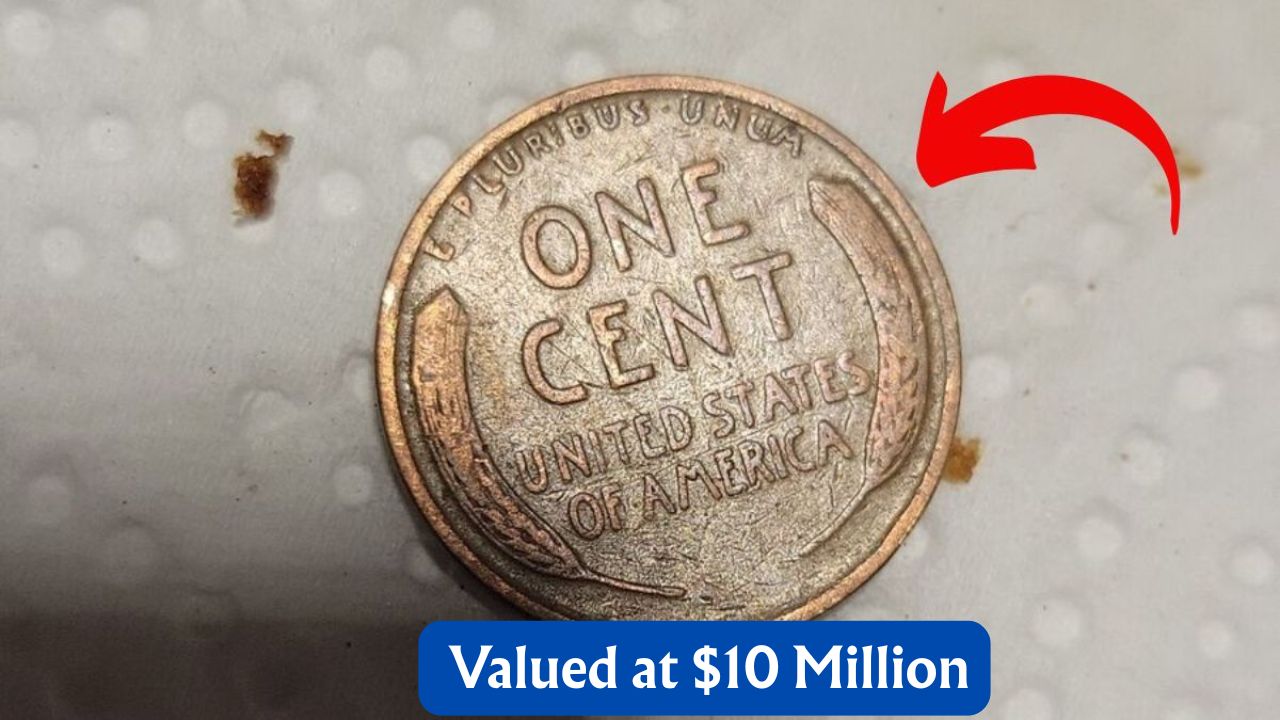
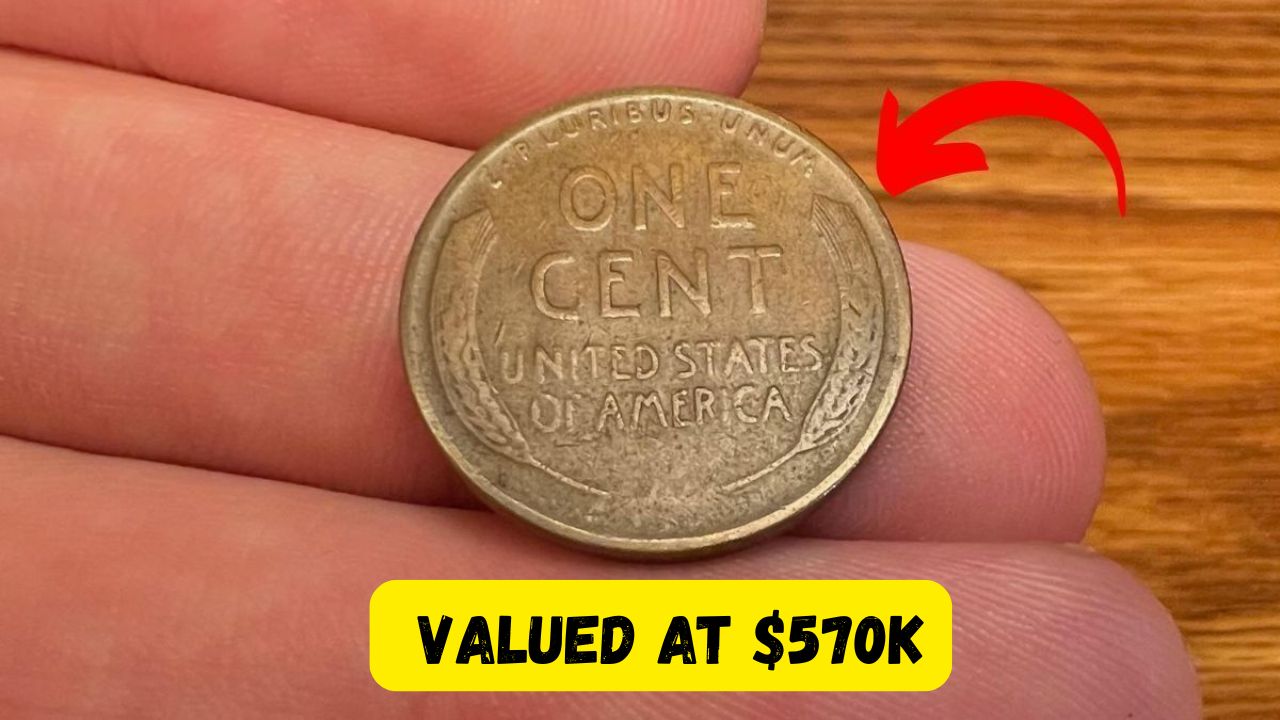
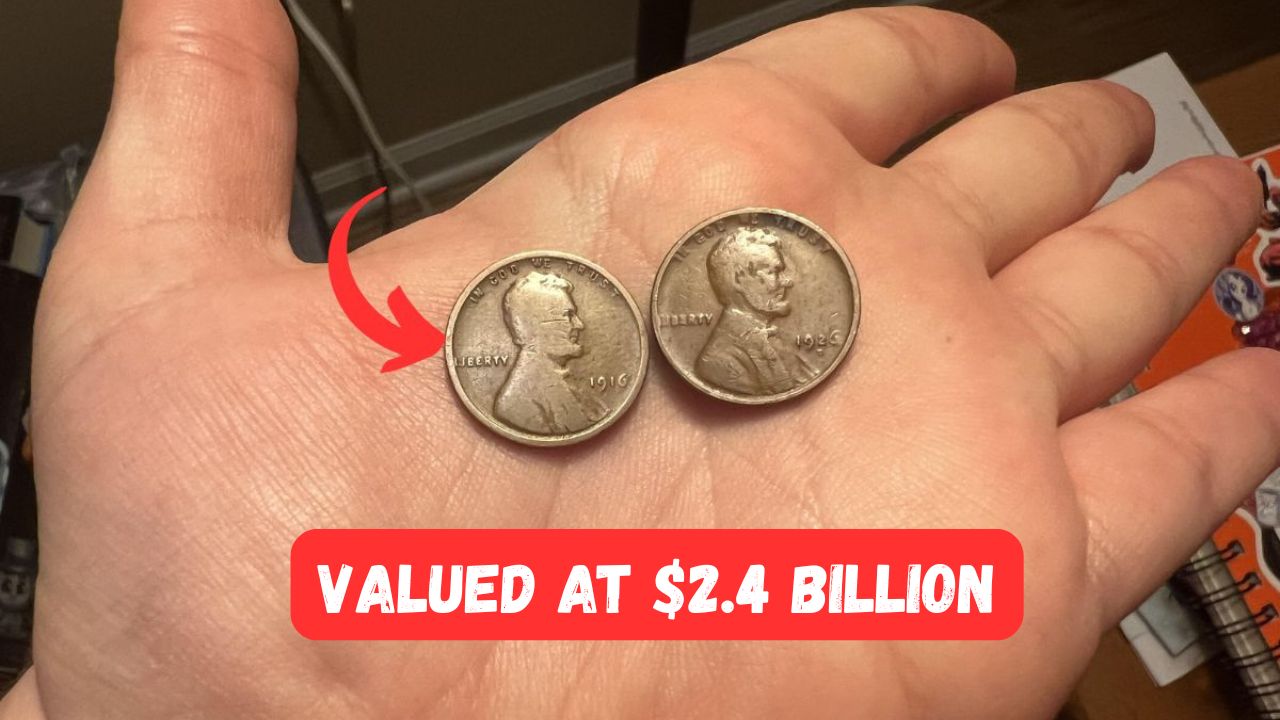
The Lincoln Wheat Penny Valued at $3.7 Billion : The fascination with rare coins has always been a part of American culture, but when rumors about a Lincoln Wheat Penny valued at an astonishing $3.7 billion began circulating, collectors and enthusiasts were sent into a frenzy. Could a penny that remains in circulation really be worth billions? Let’s dive deep into the history, facts, and myths surrounding this legendary United States coin.
The Historical Significance of the Lincoln Wheat Penny
The Lincoln Wheat Penny, first minted in 1909, is one of the most iconic coins in the United States. Designed by Victor David Brenner, it was created to commemorate the 100th birthday of President Abraham Lincoln, making it the first U.S. coin to feature a real person’s likeness.
The wheat ears on the reverse symbolize national prosperity. Over the decades, many rare variants and minting errors have emerged, making certain Lincoln Wheat Pennies extremely valuable among collectors.
Could a Lincoln Wheat Penny Really Be Worth $3.7 Billion?
The claim about a $3.7 billion Lincoln Wheat Penny seems too extraordinary to be true, and that’s because it is. While some rare coins, including certain Lincoln Wheat Pennies, are indeed worth thousands or even hundreds of thousands of dollars, no official record supports a single penny reaching a value close to $3.7 billion.
Factors that influence a penny’s value:
- Year of minting
- Mint mark location
- Rarity and survival rate
- Minting errors
- Historical significance
- Condition and grade (e.g., MS-65, Proof)
- Demand among collectors
While Lincoln Wheat Pennies are valuable, it’s important to separate facts from exaggerated rumors.
Understanding the Different Types of Valuable Lincoln Wheat Pennies
When discussing valuable United States coins, some specific Lincoln Wheat Pennies have stood out over the years due to their rarity or unique errors.
Examples include:
- 1909-S VDB Penny: One of the most famous and rarest, due to its limited mintage.
- 1914-D Penny: Highly sought after by collectors.
- 1922 No D Penny: Mint error leading to a missing mint mark.
- 1943 Copper Penny: Extremely rare, mistakenly struck in copper instead of steel.
- 1955 Double Die Penny: A dramatic double strike that commands high prices.
Each of these coins can fetch anywhere from several thousand to hundreds of thousands of dollars.
Top Valuable Lincoln Wheat Pennies and Their Estimated Values
Here’s a detailed table showcasing some of the most valuable Lincoln Wheat Pennies in the United States:
| Year | Mint Mark | Error Type | Condition | Estimated Value | Rarity | Notes |
|---|---|---|---|---|---|---|
| 1909 | S VDB | None | MS-65 | $50,000+ | Very Rare | First year of issue |
| 1914 | D | None | MS-60 | $13,000+ | Rare | Low mintage |
| 1922 | No D | Missing D | VF-20 | $5,000+ | Rare | Denver Mint error |
| 1943 | None | Copper | MS-63 | $250,000+ | Extremely Rare | Wrong metal used |
| 1955 | None | Double Die | MS-60 | $2,000+ | Rare | Famous double strike |
| 1944 | S | Steel | MS-63 | $75,000+ | Extremely Rare | Steel used by mistake |
| 1931 | S | None | MS-65 | $150+ | Semi-Rare | Depression-era minting |
How to Identify a Potentially Valuable Penny
Collectors often wonder if they might unknowingly possess a fortune in their pocket change. Here’s what to look out for:
- Check the Date and Mint Mark: Certain years and locations are more valuable.
- Inspect for Errors: Look for double dies, missing letters, or unusual coloring.
- Assess the Condition: Coins in mint or near-mint condition are significantly more valuable.
- Consult a Professional: Certified coin grading services in the United States like PCGS or NGC can help determine authenticity and value.
- Compare with Auction Sales: Research recent auction results to gauge market trends.

Are There Still Rare Pennies in Circulation Today?
Although the chances are slim, rare Lincoln Wheat Pennies still occasionally pop up in circulation, especially in the United States. Reasons include:
- Estate sales releasing old coin collections.
- Unaware individuals spending old coins.
- Bank roll hunting enthusiasts exchanging thousands of coins looking for treasures.
Keep in mind:
- Older pennies (pre-1959) are more likely to be valuable.
- Searching coin rolls from banks can sometimes yield surprising finds.
Recent Record Sales of Lincoln Wheat Pennies
Rare Lincoln Wheat Pennies have fetched eye-watering amounts at auctions in the United States. Here’s a quick overview:
| Year | Penny Type | Auction House | Sale Price |
| 1943 | Copper Penny | Heritage Auctions | $1,750,000 |
| 1955 | Double Die Penny | Stack’s Bowers | $55,000 |
| 1909 | S VDB Penny | GreatCollections | $90,000 |
| 1944 | Steel Penny | Heritage Auctions | $408,000 |
| 1922 | No D Penny | Stack’s Bowers | $10,800 |
| 1914 | D Penny | Heritage Auctions | $28,200 |
| 1931 | S Penny | GreatCollections | $5,500 |
The Myths and Facts about the $3.7 Billion Penny
Given the lack of any verified sales or appraisals, the idea of a $3.7 billion Lincoln Wheat Penny appears to be a hoax or gross exaggeration. However, such myths do spark increased interest in coin collecting, encouraging new collectors to join the hunt for United States coins with hidden value.
Quick facts:
- No known coin has sold for even $100 million.
- The most expensive coins are typically early American pieces or rare experimental mints.
- Always verify claims through reputable coin dealers or organizations.
Should You Keep Searching for Rare Pennies?
While the dream of finding a $3.7 billion Lincoln Wheat Penny may be unrealistic, searching for valuable Lincoln Wheat Pennies remains a rewarding hobby. Not only can some coins fetch impressive sums, but the joy of discovery and the rich history behind each coin make the hunt worthwhile.
Whether you’re an avid collector or a curious beginner, the key is education and persistence. Keep an eye out for those rare finds, and who knows — you might just stumble upon a valuable piece of United States history hiding in your pocket change.
Disclaimer: The information in this article is intended for educational and informational purposes only. Always consult with a certified numismatist or reputable auction house when evaluating or selling rare coins.