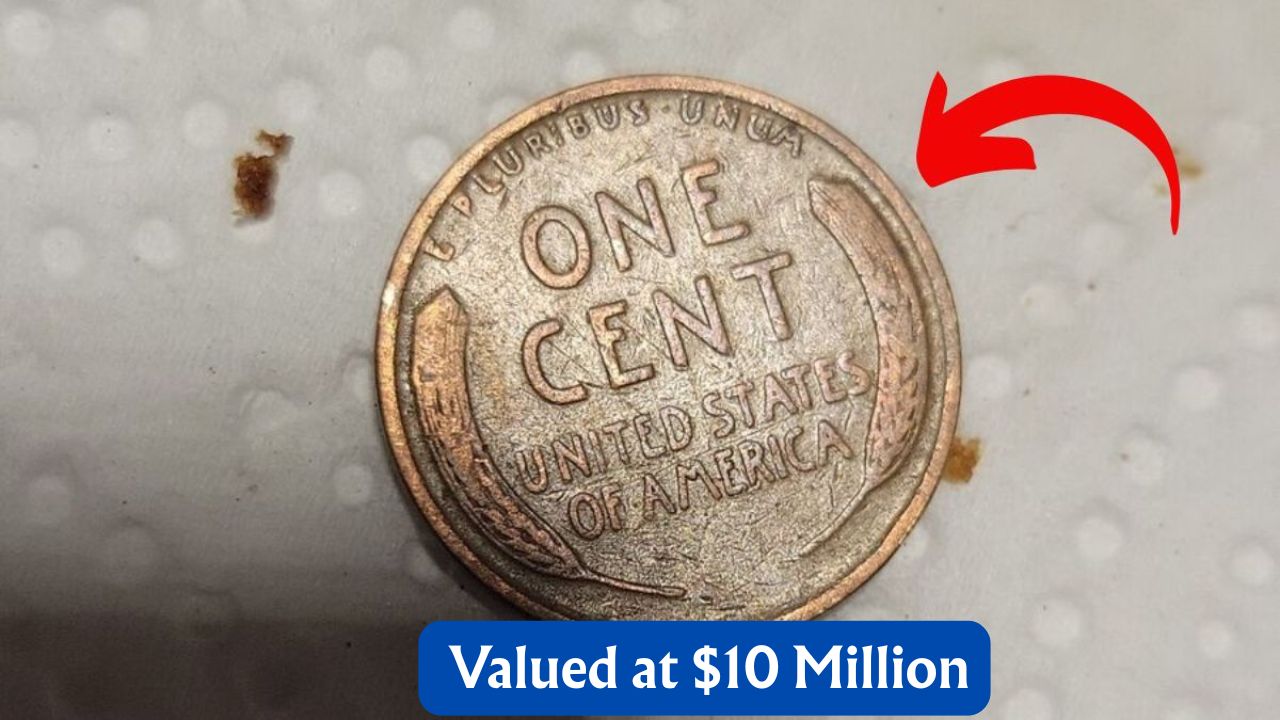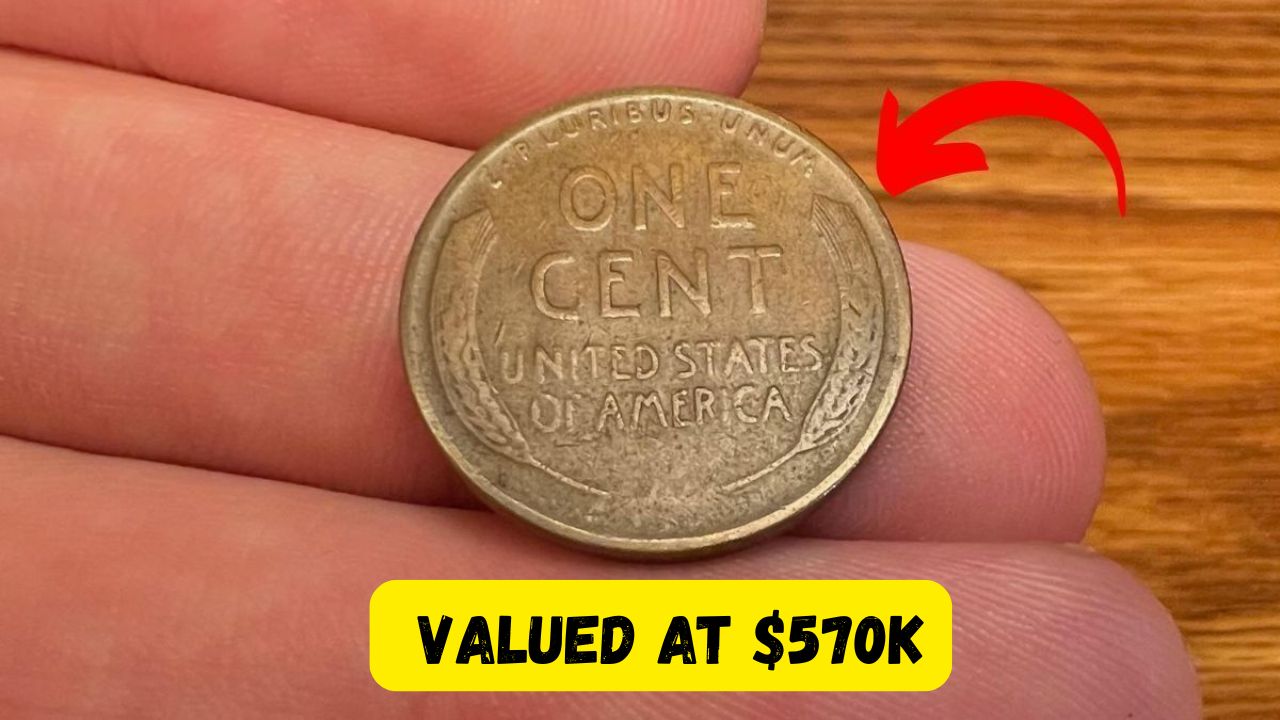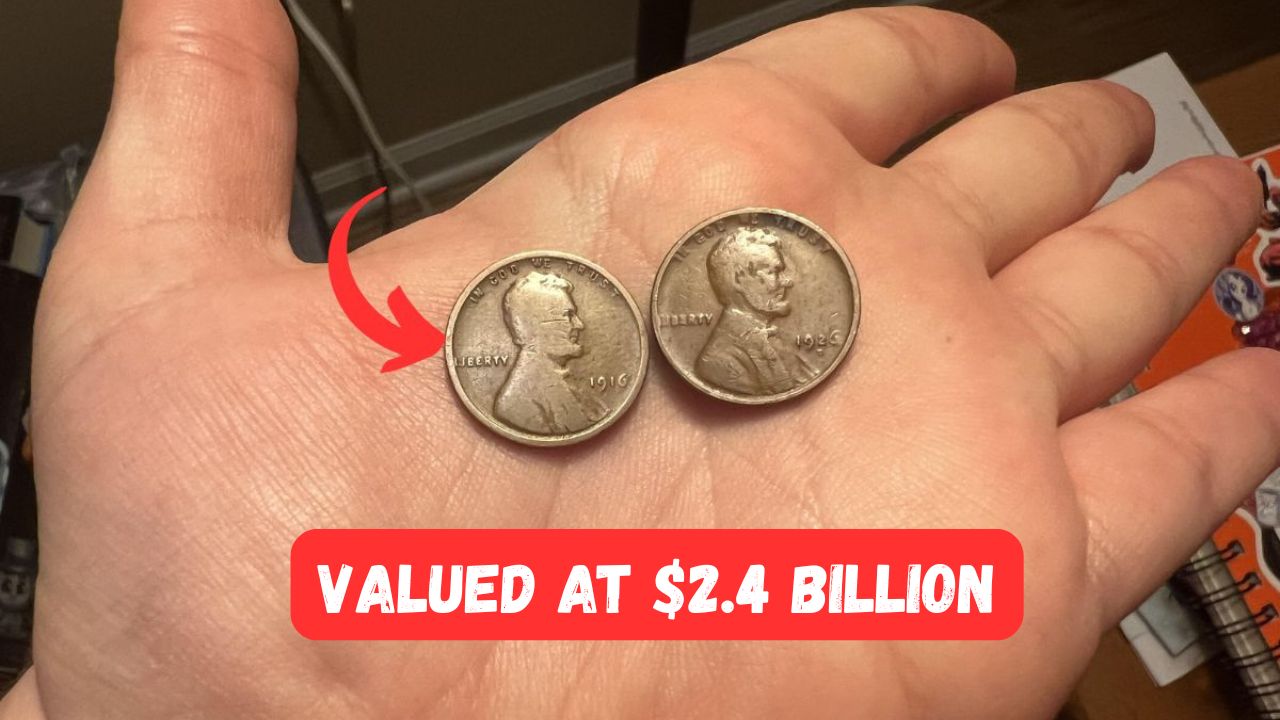
The Lincoln Wheat Penny Valued at $2.4 Billion : The world of rare coins has always fascinated collectors and enthusiasts, but the buzz surrounding the Lincoln Wheat Penny valued at an astonishing $2.4 billion has captured widespread attention. Is it possible that such a treasure is still quietly passing through the hands of everyday Americans? Let’s explore the incredible story behind this iconic coin, and what you need to know if you’re hoping to find one in your own pocket.
The History of the Lincoln Wheat Penny
The Lincoln Wheat Penny, first minted in 1909, holds a special place in United States history. Designed by Victor D. Brenner, it was the first U.S. coin to feature the image of a real person—President Abraham Lincoln. The coin’s reverse side showcased two stylized wheat stalks, symbolizing prosperity and the country’s agricultural heritage.
The Lincoln Wheat Penny was minted from 1909 until 1958, after which the design changed to feature the Lincoln Memorial. Its production coincided with several important historical periods, including the Great Depression and World War II, adding further layers of historical significance to its legacy.
Why Is the Lincoln Wheat Penny Valued at $2.4 Billion?
While most Lincoln Wheat Pennies are worth just a few cents or a few dollars to collectors, there are specific rare versions that command jaw-dropping prices. Several factors contribute to a penny’s extraordinary value:
- Minting Errors: Misstrikes, double dies, and off-center coins can fetch high prices.
- Extremely Low Mintage: Some years and mint marks had very limited production.
- Pristine Condition: Pennies graded MS-65 or higher are significantly more valuable.
- Historical Importance: Coins linked to critical moments in United States history carry premium worth.
- Composition: Certain 1943 pennies were mistakenly made from copper instead of steel.
- Provenance: Coins owned by famous individuals can increase in value.
- Public Hype: News and rumors can temporarily inflate a coin’s market value.
The $2.4 billion claim often relates to extreme hypothetical valuations assuming perfect condition, historical importance, and unique provenance all in one coin.
Key Dates to Watch For in Lincoln Wheat Pennies
Collectors seeking valuable Lincoln Wheat Pennies should familiarize themselves with key dates and mint marks that can signify a treasure hiding in plain sight. Here’s a look at the most important ones:
| Year | Mint Mark | Approximate Value | Notes |
|---|---|---|---|
| 1909 | S VDB | $1,000 – $12,000 | First-year issue, designer’s initials |
| 1914 | D | $200 – $5,500 | Rare Denver mint issue |
| 1922 | No D | $500 – $10,500 | Missing mint mark |
| 1931 | S | $75 – $300 | Limited mintage |
| 1943 | Copper | $100,000 – $2,400,000 | Error coin, wrong material |
| 1955 | Double Die | $1,000 – $15,000 | Famous doubling error |
| 1944 | Steel | $75,000 – $150,000 | Rare post-1943 steel coin |
What Makes the 1943 Copper Penny So Special?
The 1943 copper Lincoln Wheat Penny is often considered the holy grail for collectors. In 1943, pennies were supposed to be struck on steel planchets to conserve copper for the war effort. However, a small number of copper blanks from 1942 remained in the machines and were accidentally struck with the 1943 date.
Only a handful are known to exist, making them one of the rarest and most valuable United States coins in history. Most discovered 1943 copper pennies have fetched between $100,000 and over $1 million at auction, depending on their condition and authentication.
| Characteristic | 1943 Copper Penny |
| Material | 95% Copper, 5% Tin/Zinc |
| Weight | 3.11 grams |
| Color | Reddish |
| Magnetic Test | Non-magnetic |
| Number Known | Less than 20 |
| Auction Records | Up to $1.7 million |
How to Identify a Rare Lincoln Wheat Penny in Circulation
Finding a rare Lincoln Wheat Penny may seem like winning the lottery, but with keen observation, you can increase your chances. Here’s how:
- Check the Date and Mint Mark: Focus on the years mentioned above.
- Inspect the Condition: Look for minimal wear and strong design details.
- Use a Magnet: 1943 steel cents are magnetic; copper cents are not.
- Examine Errors: Doubling, misprints, and off-center designs are key.
- Seek Professional Grading: A certified coin grading service can verify authenticity.
Current Market Value of Lincoln Wheat Pennies
The current market for Lincoln Wheat Pennies remains strong, especially among numismatists in the United States. Prices vary depending on the specific year, mint mark, error type, and condition.
| Grade | Common Wheat Penny | Rare Wheat Penny |
| Good (G-4) | $0.10 – $0.50 | $500 – $5,000 |
| Very Fine (VF-20) | $0.50 – $2 | $1,000 – $8,000 |
| Extremely Fine (EF-40) | $1 – $3 | $2,000 – $12,000 |
| Mint State (MS-65) | $5 – $20 | $10,000 – $100,000 |
Where Are People Finding Valuable Lincoln Pennies Today?
Many collectors and even casual observers have reported finding valuable Wheat Pennies in places like:
- Old family coin collections
- Estate sales and auctions
- Antique shops
- Garage sales
- Coin rolls from banks
- Forgotten piggy banks
Keep an eye out, especially when handling older coins in the United States!
Myths and Facts About the $2.4 Billion Penny
There’s no known Lincoln Wheat Penny officially appraised at $2.4 billion. This figure is often exaggerated or hypothetical, assuming unique combinations of perfect condition, extreme rarity, historical significance, and public demand. However, some individual pennies have fetched millions, proving that small coins can indeed hold monumental value.
The Lincoln Wheat Penny remains an enduring symbol of United States history and a thrilling opportunity for collectors and dreamers alike. While the idea of finding a $2.4 billion penny might be mostly fantasy, there are still valuable coins out there waiting to be discovered. If you come across an old Lincoln Wheat Penny, don’t dismiss it—take the time to inspect it carefully. It might just be worth a small fortune!
Disclaimer:
The values and historical facts presented are based on current numismatic research and market trends. Prices can fluctuate depending on coin grading, rarity discoveries, and market demand. Always consult with a certified numismatist for accurate appraisals.