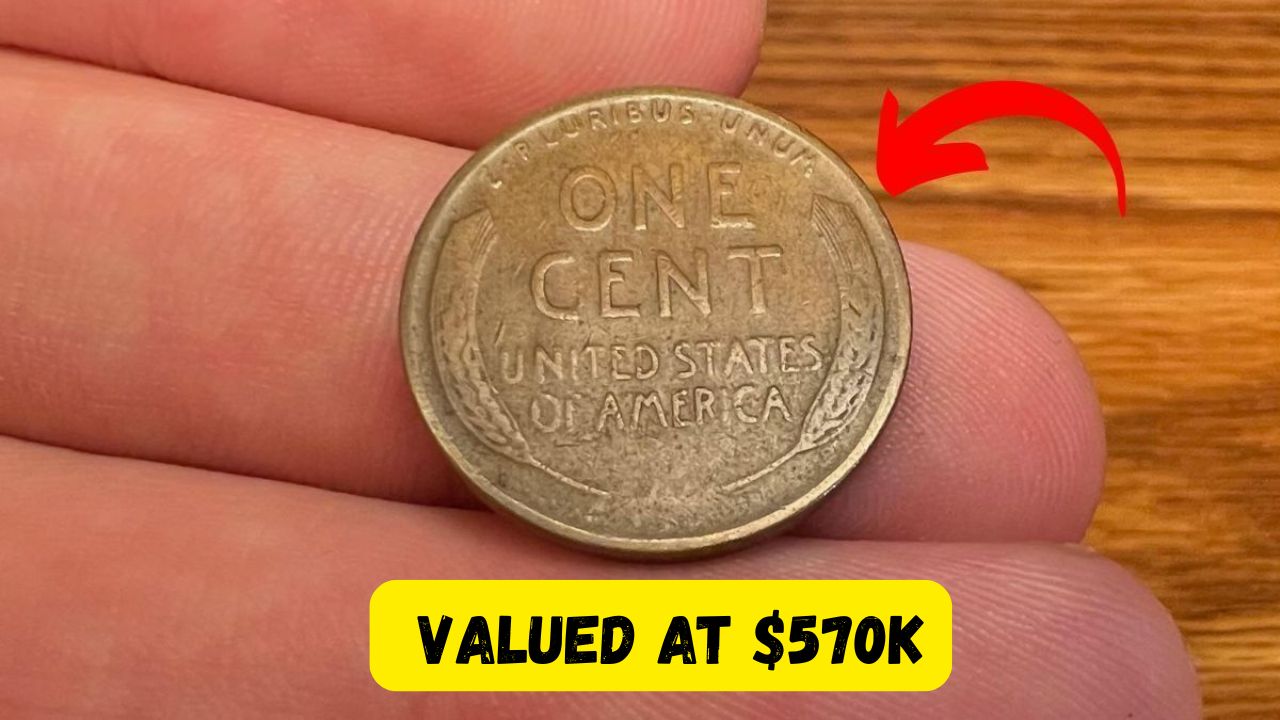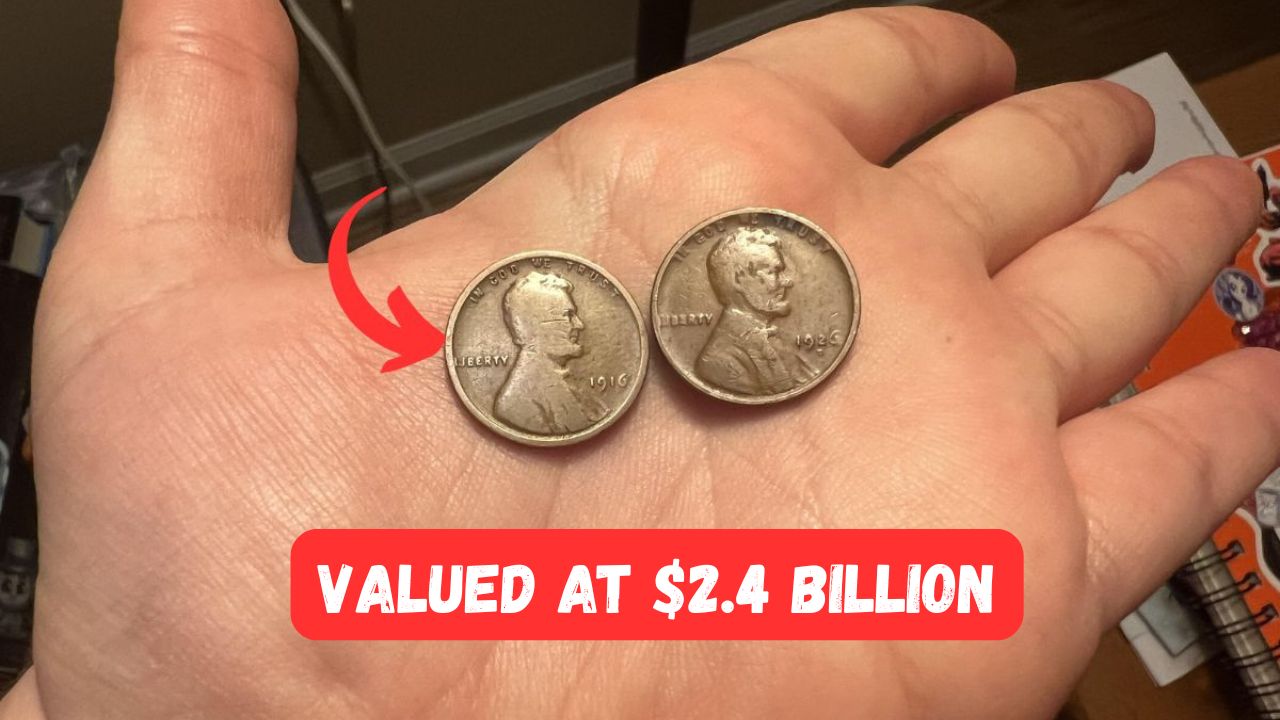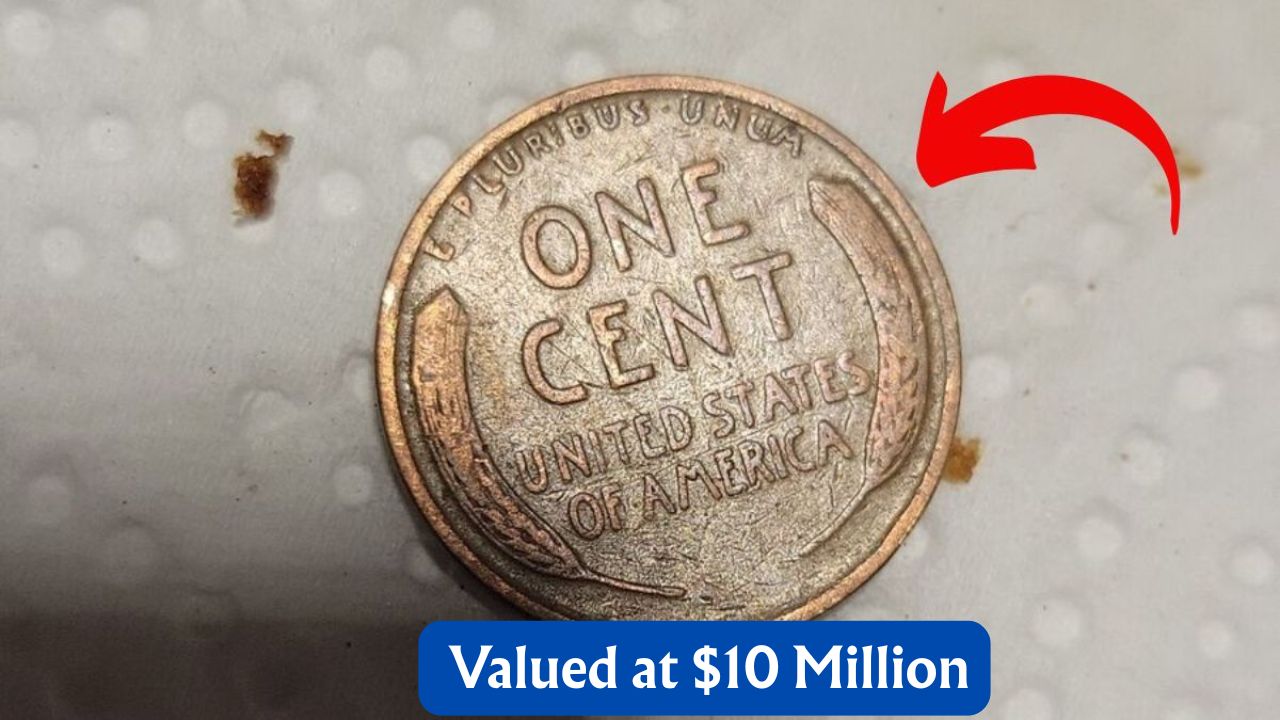
The Lincoln Wheat Penny Valued at $10 Million : The Legendary United States Coin That Captivated Collectors. In the world of coin collecting, few stories are as fascinating as the legend of the Lincoln Wheat Penny valued at a staggering $10 million. This United States coin, steeped in history and mystery, has sparked excitement among collectors and casual enthusiasts alike. But could this priceless penny still be hidden among everyday change? Let’s dive deep into the remarkable tale of this coin and why it continues to capture the imagination of so many.
What Makes the Lincoln Wheat Penny So Valuable?
The Origins of the Lincoln Wheat Penny
The Lincoln Wheat Penny, also known as the Lincoln Cent, was first minted in 1909 to commemorate the 100th anniversary of President Abraham Lincoln’s birth. Designed by Victor David Brenner, it was the first United States coin to feature a real historical figure instead of the symbolic Liberty.
Several factors contribute to the immense value of certain Lincoln Wheat Pennies:
- Minting Errors: Mistakes like double strikes or off-center minting dramatically increase a coin’s worth.
- Rare Mint Marks: Coins minted in specific locations like San Francisco (marked with an “S”) are rarer.
- Limited Editions: Some years had extremely low mintage numbers, making surviving examples highly valuable.
- Exceptional Condition: Pennies preserved in near-perfect condition (graded MS-65 or higher) can fetch astronomical prices.
- Unique Variants: Certain pennies, such as the 1943 copper Lincoln Wheat Penny, are considered the “holy grail” for collectors.
The Myth and Reality Behind the $10 Million Penny
The story of a Lincoln Wheat Penny being valued at $10 million is rooted in truth but often exaggerated. In particular, the 1943 copper Lincoln Wheat Penny holds immense value because copper was not supposed to be used that year. Due to a minting error, a few copper blanks were accidentally struck instead of the intended steel planchets.
The following table highlights key information:
| Year | Composition | Mint Location | Known Examples | Estimated Value | Notable Sale Price | Special Features |
|---|---|---|---|---|---|---|
| 1943 | Copper | Philadelphia | Fewer than 20 | Up to $10 million | $1.7 million (auction) | Wrong metal |
| 1909-S VDB | Bronze | San Francisco | 484,000 | $2,000-$100,000 | $117,500 | Designer initials |
| 1914-D | Bronze | Denver | Scarce | $1,000-$10,000 | $12,000 | Rare date |
| 1922 No D | Bronze | Denver (no mint mark) | Rare | $1,500-$20,000 | $47,000 | Missing mint mark |
| 1955 Doubled Die | Bronze | Philadelphia | Scarce | $1,000-$15,000 | $50,000 | Doubled features |
| 1944 Steel | Steel | Philadelphia | Fewer than 30 | Up to $100,000 | $75,000 | Wrong metal |
| 1931-S | Bronze | San Francisco | Low mintage | $50-$500 | $2,500 | Collectible year |
| 1972 Doubled Die | Bronze | Philadelphia | Collectible | $300-$5,000 | $14,000 | Visible doubling |
How To Identify a $10 Million Lincoln Wheat Penny
The thrill of finding a valuable Lincoln Wheat Penny in your loose change is exhilarating. Here’s how you can recognize a potential treasure:
- Check the Date: Focus on pennies from 1909, 1914, 1922, 1943, 1944, and 1955.
- Inspect the Metal: Use a magnet — 1943 copper pennies are not magnetic, while steel ones are.
- Look for Doubling: Examine the text and numbers for signs of double striking.
- Mint Marks Matter: Find coins with the “S” or “D” mint marks; they can be more valuable.
- Condition Counts: The less wear and tear, the higher the potential value.
- Professional Grading: Have your coin authenticated by reputable services like PCGS or NGC.
The Rarest Lincoln Wheat Pennies: Complete List
The table below showcases the most sought-after Lincoln Wheat Pennies:
| Penny Type | Year | Mint Mark | Estimated Value | Special Characteristics |
| Copper Penny | 1943 | None/S/D | Up to $10 million | Mint error, rare metal |
| 1909-S VDB | 1909 | S | $2,000-$100,000 | Initials controversy |
| 1922 No D | 1922 | None | $1,500-$20,000 | Mint mark missing |
| 1955 Doubled Die | 1955 | None | $1,000-$15,000 | Double striking |
| 1944 Steel | 1944 | None/S/D | Up to $100,000 | Wrong metal |
| 1914-D | 1914 | D | $1,000-$10,000 | Low mintage |
| 1972 Doubled Die | 1972 | None | $300-$5,000 | Doubling of design |
| 1931-S | 1931 | S | $50-$500 | Scarce year |
Why Are Some Lincoln Wheat Pennies Still Circulating?
Surprisingly, many Lincoln Wheat Pennies from common years still show up in circulation today, especially in the United States. People often overlook them because:
- Aged Appearance: They blend in with regular pennies.
- Lack of Awareness: Most individuals don’t recognize rare variations.
- Coin Hoards: Sometimes, older coins are released from personal collections or forgotten stashes.
While finding a $10 million penny in your pocket change is incredibly unlikely, finding a valuable $50-$500 penny is very much possible with a sharp eye.
Collecting United States Coins: Tips for Beginners
If this story has inspired you to dive into the world of coin collecting, here are some tips to get started:
- Start With Pennies: Search through rolls from banks or your own loose change.
- Invest in a Good Magnifying Glass: Small errors and mint marks are easier to spot.
- Use Online Resources: Websites and forums offer guidance on coin values.
- Join a Coin Club: Local clubs often have experts willing to help new collectors.
- Authenticate Big Finds: Always have high-value coins graded professionally.
Is the Dream of Finding a $10 Million Lincoln Wheat Penny Realistic?
While the odds of discovering a $10 million Lincoln Wheat Penny in circulation are slim, the possibility keeps the dream alive for many collectors across the United States. Even if you don’t find the ultimate prize, the hunt itself is full of excitement, learning, and unexpected treasures. Keep your eyes open — your next handful of change could hold a piece of American history!
Disclaimer
This article is intended for informational purposes only. Coin values fluctuate based on market trends, collector interest, and authentication status. Always consult with certified coin grading services or professional dealers before making any financial decisions related to rare United States coins.