

Rare U.S. Penny – Have you ever looked through your coin collection and wondered if you were holding a rare treasure worth millions? Recently, a rare U.S. penny sold for a jaw-dropping $3 million, sparking excitement and curiosity among collectors and investors alike. This incredible sale has once again put the spotlight on rare pennies and other collectible coins, raising the question: could your pocket change be worth far more than face value?
In this article, we’ll dive deep into the fascinating world of rare pennies, explaining the significance of this $3 million sale, how to identify valuable coins, and why investing in rare coins can be a profitable venture. Whether you’re a seasoned numismatist or a casual coin enthusiast, this guide will provide you with everything you need to know about rare U.S. pennies.
The $3 Million Penny: What’s the Story?
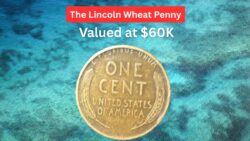
In a historic auction, a rare U.S. penny fetched an astounding $3 million, becoming one of the most expensive coins ever sold. The penny in question is a 1943 copper penny, which was accidentally struck with the wrong metal during production. Instead of being made from the usual zinc-coated steel, this particular penny was made from solid copper, making it a one-of-a-kind error.
Why is This Penny Worth $3 Million?
The 1943 copper penny is considered one of the most sought-after coins in U.S. numismatics. The reason behind its extreme value lies in its rarity and the error that occurred during its minting process. Most pennies minted in 1943 were made of zinc-coated steel, which was cheaper and more readily available due to wartime shortages of copper. Only a few copper pennies were mistakenly produced, making them incredibly rare and valuable.
- Minting error: The penny was struck using copper instead of steel.
- Historical significance: The penny was minted during World War II, a time when copper was in high demand.
- Rarity: Only a handful of these copper pennies are known to exist today.
- High demand: The scarcity and historical importance of the coin make it a highly sought-after item among collectors.
How to Identify a Rare Penny
If you’re wondering whether you have any valuable pennies in your collection or tucked away in a jar, it’s crucial to know what to look for. Here’s how to identify rare and potentially valuable pennies:
Key Characteristics to Look for
- Mint Year: Some years are known for producing more rare pennies than others. For instance, the 1943 copper penny is one of the most famous examples of a rare year.
- Mint Mark: Pennies minted at different U.S. mints carry distinct mint marks. Pay attention to pennies with mint marks such as “D” (Denver) or “S” (San Francisco) as they can sometimes be rarer than others.
- Errors or Misprints: Look for any irregularities, such as doubled die errors, incorrect minting, or misspellings. These errors can significantly increase the coin’s value.
- Condition: The overall condition of the penny plays a huge role in its value. Coins that are in excellent condition, with minimal wear and tear, are worth more than those that are worn down.
The Value of a Penny Based on Condition
| Condition | Value Range |
|---|---|
| Uncirculated | $1 to $3,000+ |
| Very Fine | $0.50 to $500 |
| Fine | $0.10 to $50 |
| Good | $0.01 to $10 |
The History Behind Rare U.S. Pennies
U.S. pennies have a rich and storied history that spans centuries. Understanding the historical context behind certain coins can give you valuable insights into why some are worth so much.
Evolution of the U.S. Penny
- 1793: The first U.S. penny was minted, featuring a design of Lady Liberty.
- 1856: The Indian Head penny was introduced, which became one of the most iconic designs in U.S. numismatic history.
- 1909: The Lincoln Wheat penny replaced the Indian Head design, and later, in 1959, it was replaced by the Lincoln Memorial design.
- 1982: A significant change in composition occurred, as pennies transitioned from 95% copper to a combination of copper and zinc.
These changes in design and composition, along with historical events like wartime shortages, have contributed to the rarity and value of certain pennies today.
The Impact of Wartime Shortages on Penny Production
World War II had a major impact on the production of U.S. coins, especially pennies. The war caused a shortage of copper, which led the U.S. Mint to produce pennies out of zinc-coated steel in 1943. However, a small number of copper pennies were mistakenly minted, making these coins highly valuable today.
Tips for Buying and Selling Rare Pennies
If you’re looking to buy or sell rare pennies, it’s essential to approach the process with knowledge and caution. Here are a few tips to help you navigate the world of rare coin transactions:
Where to Buy Rare Pennies
- Coin Dealers: Trusted coin dealers can be a great resource for purchasing rare pennies. They have the expertise to identify and price coins accurately.
- Online Auctions: Websites like eBay and Heritage Auctions often feature rare coins up for sale. Be sure to verify the authenticity of the coin before making a purchase.
- Coin Shows: Attending coin shows allows you to interact directly with dealers and collectors, providing an opportunity to buy rare coins in person.
Selling Rare Pennies
If you believe you have a rare penny that’s worth a significant amount of money, here’s how you can sell it:
- Get the Coin Appraised: Have your penny appraised by a professional numismatist to determine its value. This will help you set a fair price for the coin.
- Use Reputable Auction Houses: Selling through reputable auction houses, either online or in person, ensures that your coin is reaching serious collectors who are willing to pay top dollar.
- Avoid Scams: Be wary of online buyers or dealers who offer less than market value or ask for upfront payments. Always do your research and choose a trusted source.
FAQs About Rare U.S. Pennies
Q1: What is the most expensive penny ever sold? The most expensive penny ever sold is the 1943 copper penny, which fetched $3 million at auction.
Q2: How do I know if my penny is rare? Look for key features like mint year, mint mark, errors, and the coin’s condition. Rare pennies usually have one or more of these characteristics.
Q3: Where can I sell my rare pennies? You can sell rare pennies through reputable coin dealers, online auctions, or at coin shows. Make sure to get an appraisal before selling.
Q4: What is the value of a 1943 copper penny? A 1943 copper penny can be worth anywhere from a few thousand dollars to over $3 million, depending on its condition and authenticity.
Q5: Are there any other rare pennies I should look out for? Yes, other rare pennies include the 1909-S VDB, 1914-D, and 1955 doubled die penny. These coins are also highly sought after by collectors.
The sale of the rare 1943 copper penny for $3 million has once again proven that a simple penny could be worth far more than you think. Whether you’re a coin enthusiast or just someone looking through a jar of change, there’s always a chance that you could stumble upon a hidden gem. By understanding how to identify valuable pennies and where to buy or sell them, you can embark on a rewarding journey into the world of numismatics. Keep an eye out for these rare treasures, and who knows – your next coin might just make you a millionaire!


