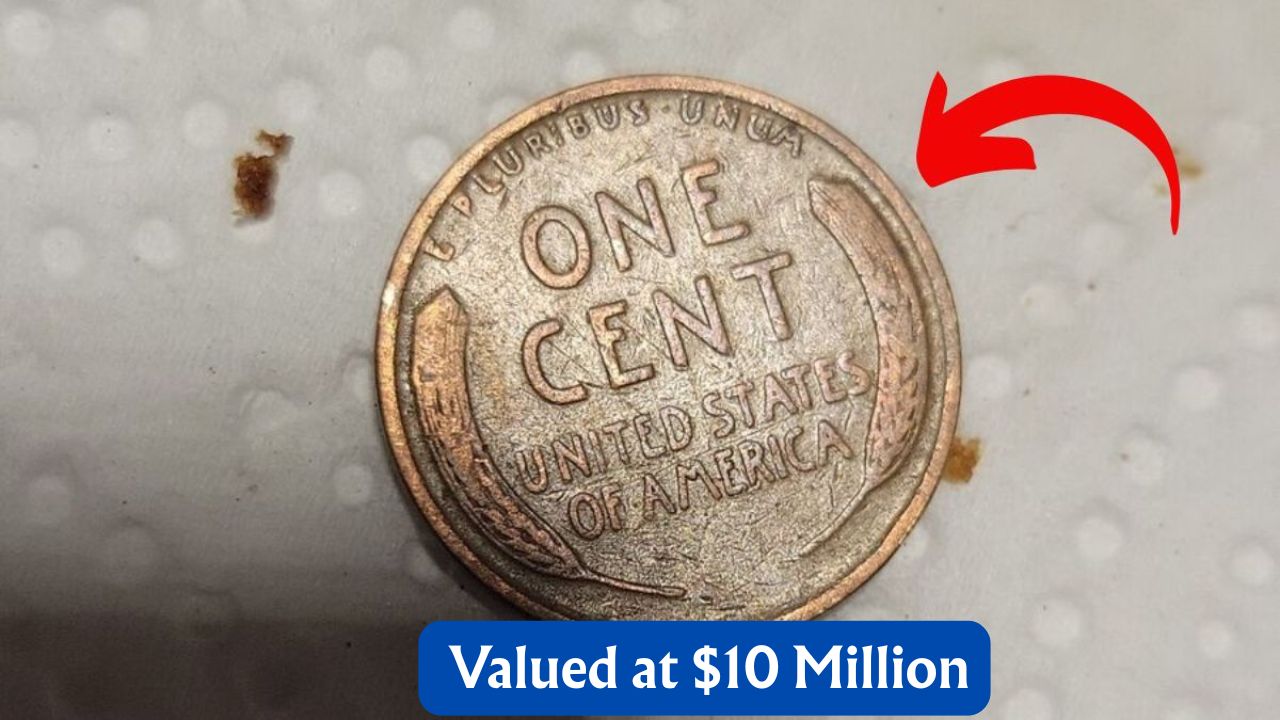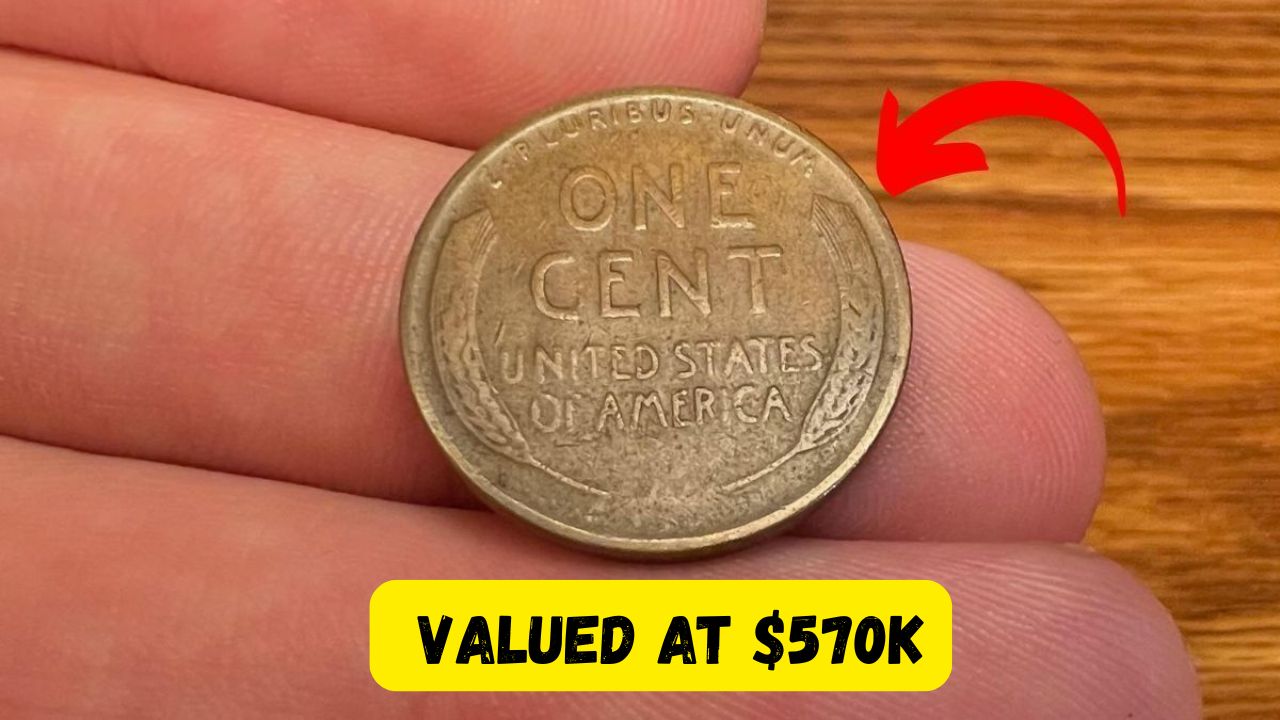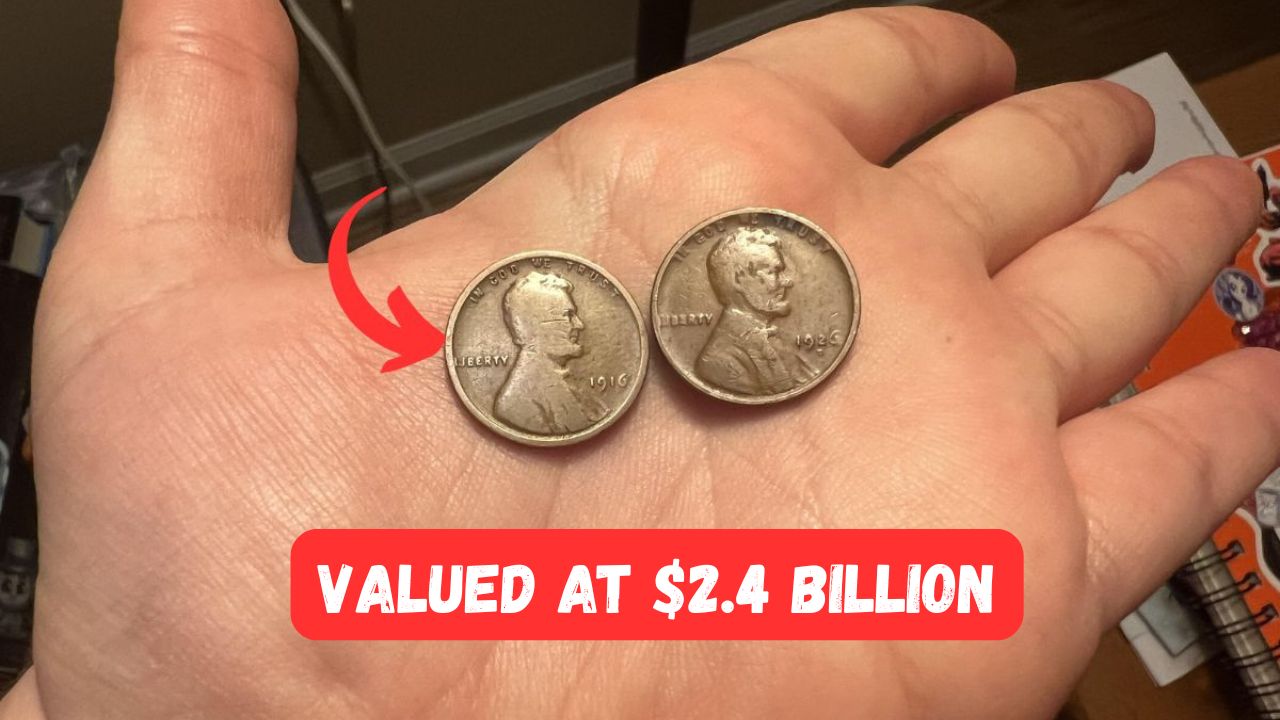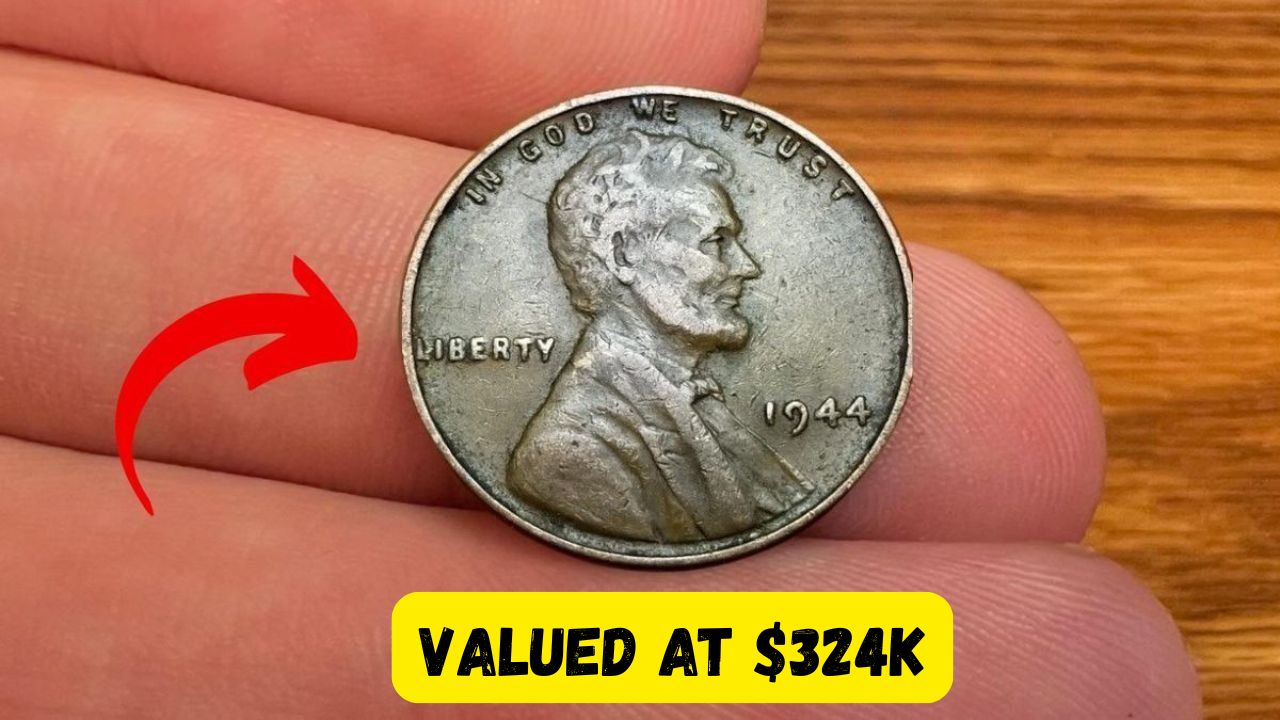
The Lincoln Wheat Penny Valued at $324K : The dream of finding a rare coin while sorting through spare change feels like a fantasy for many. But for collectors and lucky individuals, it’s a thrilling reality. One particular coin, the Lincoln Wheat Penny, valued at a staggering $324,000, is still hiding in everyday circulation across the United States. Here’s everything you need to know about this incredible discovery opportunity.
What Makes the Lincoln Wheat Penny So Valuable?
The Lincoln Wheat Penny, originally minted in 1909, is cherished by collectors across the United States for its historic significance and rarity. However, certain editions of the penny are far more valuable than others. The reasons behind its high value include:
- Minting errors and anomalies
- Limited production numbers
- Historical importance
- Condition and grading of the coin
- Year of minting
- Mint mark specifics
These factors combine to create a market where some Lincoln Wheat Pennies can fetch hundreds of thousands of dollars at auctions and private sales.
Key Variants of the Lincoln Wheat Penny to Watch For
Several variants of the Lincoln Wheat Penny are especially sought-after. Knowing what to look for can help you identify a coin worth a fortune:
- 1909-S VDB: The holy grail for collectors, extremely limited mintage.
- 1943 Bronze Cent: An error coin made from bronze instead of steel.
- 1922 No D: Lack of a Denver mint mark due to a filled die.
- 1914-D: A scarce penny with low surviving population.
- 1931-S: A Depression-era rarity.
- 1955 Doubled Die: Features a striking double image on the obverse.
- 1944 Steel Penny: Another rare error coin minted in steel post-World War II.
Below is a detailed comparison of the most valuable Lincoln Wheat Pennies:
| Year | Mint Mark | Material | Estimated Value | Notes | Availability | Condition |
|---|---|---|---|---|---|---|
| 1909 | S VDB | Bronze | $100,000+ | First year, rare signature | Very Rare | High Grade |
| 1943 | No Mark | Bronze | $324,000 | Wartime error | Extremely Rare | High Grade |
| 1922 | No D | Bronze | $30,000 | Mint error, no Denver mark | Rare | High Grade |
| 1914 | D | Bronze | $13,000 | Early minting, low supply | Rare | High Grade |
| 1931 | S | Bronze | $7,000 | Great Depression scarcity | Less Common | Good Condition |
| 1955 | No Mark | Bronze | $2,500 | Doubled die error | Scarce | Good Condition |
| 1944 | No Mark | Steel | $100,000 | Material mix-up | Extremely Rare | High Grade |
The Story Behind the 1943 Bronze Lincoln Wheat Penny
In 1943, due to wartime demands for copper, the United States Mint switched to zinc-coated steel for pennies. However, a few bronze planchets accidentally made their way into the presses. These 1943 bronze pennies are considered some of the rarest and most valuable coins in American numismatics today.
Interestingly, only about 10 to 15 genuine specimens are known to exist. The chance of finding one among general circulation is slim but not impossible. In fact, a genuine 1943 bronze penny fetched $324,000 at a public auction, setting a monumental record for this iconic American coin.
Where and How to Find Rare Lincoln Wheat Pennies
While it may seem far-fetched, diligent coin hunters across the United States have found valuable Wheat Pennies by:
- Searching through old piggy banks
- Checking inherited coin collections
- Visiting flea markets and garage sales
- Carefully inspecting spare change
- Joining local coin collector groups
- Attending coin shows and conventions
The key is patience, a sharp eye, and understanding what attributes make a Lincoln Wheat Penny valuable.
| Place to Search | Likelihood | Tips for Success |
| Piggy Banks | Moderate | Check coins saved over decades |
| Coin Collections | High | Focus on inherited or estate collections |
| Flea Markets/Garage Sales | Moderate | Look for unorganized coin lots |
| Spare Change | Low | Always inspect coins you receive |
| Coin Shows | High | Network with experienced collectors |
| Online Auctions | Moderate | Beware of counterfeits |
Important Factors That Determine the Value
Several factors contribute to a Lincoln Wheat Penny’s valuation:
- Condition/Grade: Mint State coins command premium prices.
- Rarity: Limited mintage or surviving pieces elevate value.
- Demand: Highly sought-after coins bring competitive bidding.
- Authentication: Certified coins from reputable grading services like PCGS or NGC hold greater credibility.
Ensuring authenticity and condition is paramount before making any significant purchase or sale.
Tips for New Collectors in the United States
If you are just starting your coin-collecting journey in the United States, these tips can help you get the most out of your efforts:
- Always research and verify coins before purchasing.
- Invest in a basic magnifying glass or loupe to spot minute details.
- Join numismatic forums to learn from experienced collectors.
- Start with inexpensive collections and gradually work up to rarities.
- Consider professional grading for valuable finds.
Conclusion: Could You Have a $324,000 Penny in Your Pocket?
While the odds are small, the thrill of potentially discovering a Lincoln Wheat Penny valued at $324,000 in your spare change is irresistible. With the right knowledge, perseverance, and a little bit of luck, you just might stumble upon a life-changing find. Always stay informed and never overlook the humble penny — it could very well be a hidden treasure.
Disclaimer
The values and information provided are based on historical data and market trends. Actual coin valuations may vary depending on condition, demand, and market fluctuations. Always seek professional appraisal when dealing with rare or valuable coins.