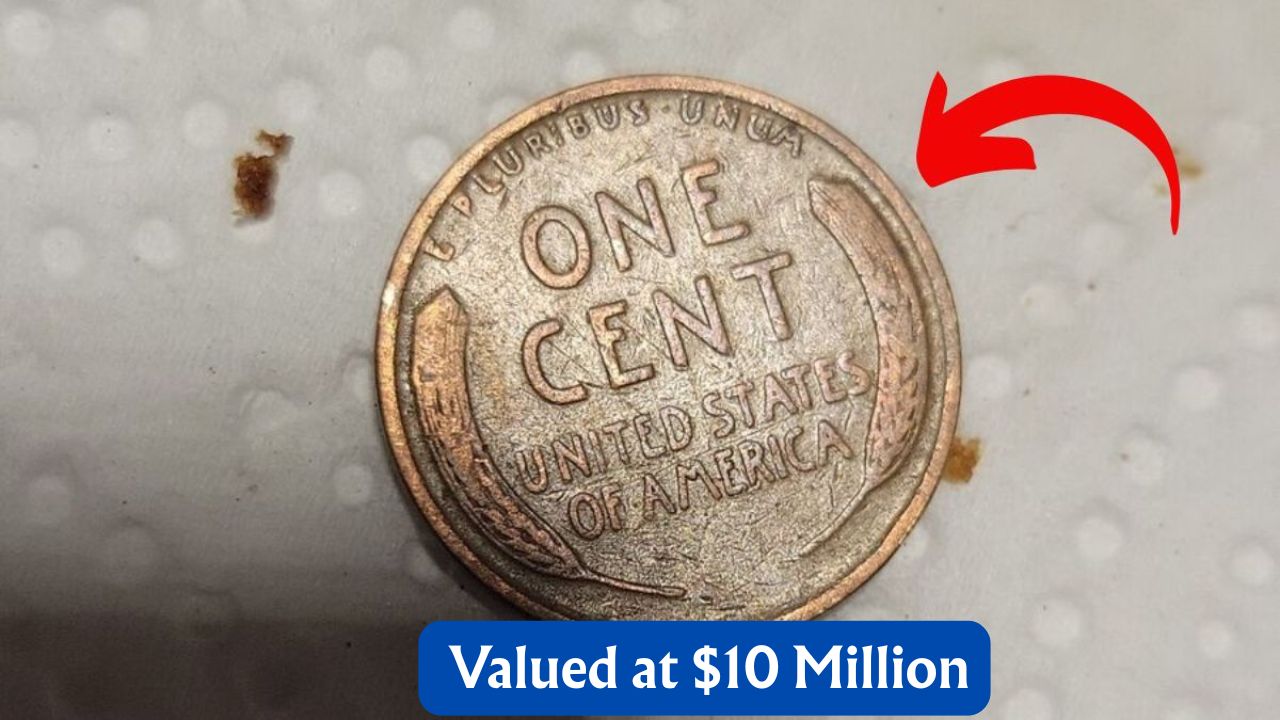
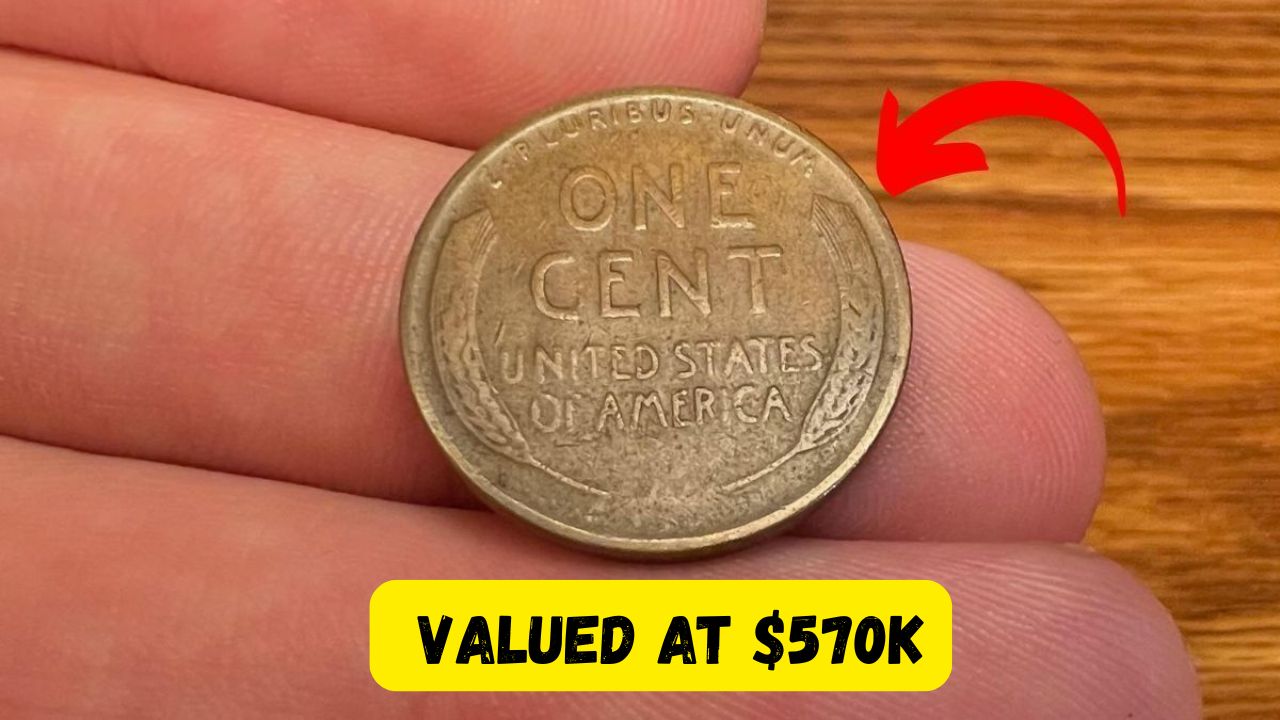
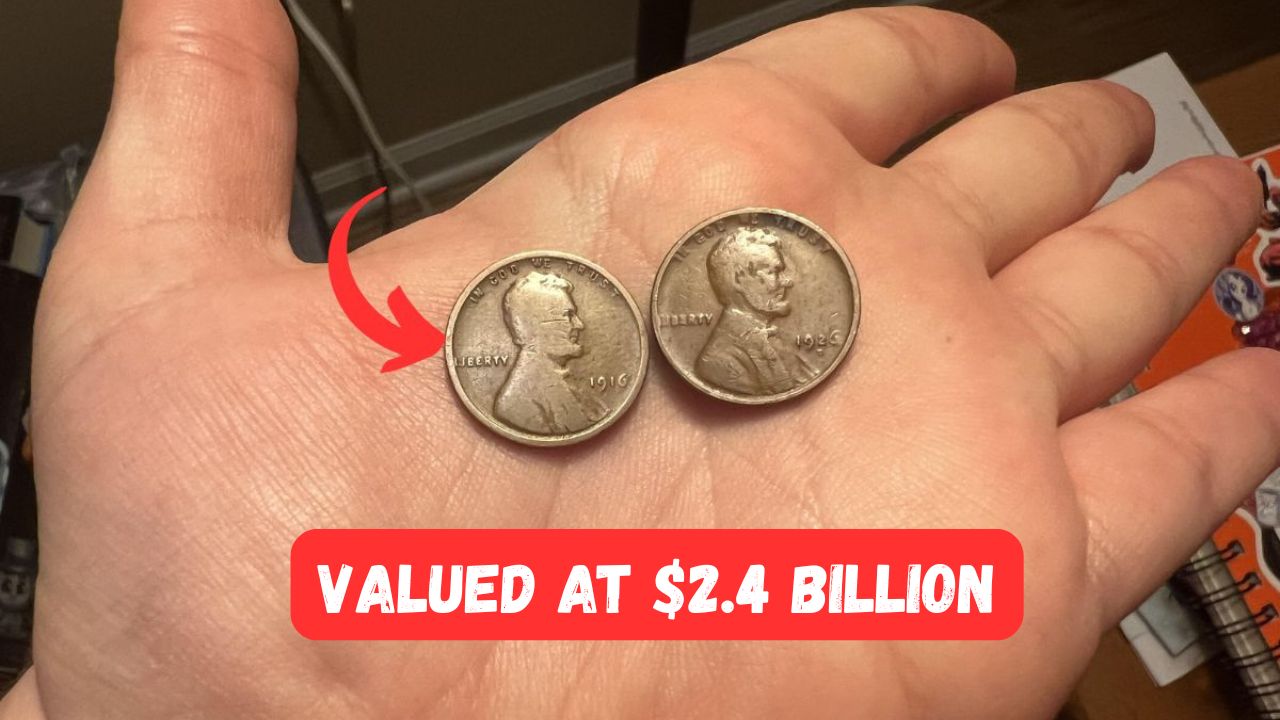
The Lincoln Wheat Penny Worth $170K: A Rare Piece of United States History Still in Circulation. Could a Penny in Your Pocket Be Worth $170,000? Discover the Ultra-Rare Lincoln Wheat Penny Still Circulating in the USA. In a world where loose change is often overlooked, one particular United States penny could be worth a small fortune—$170,000 to be exact. This elusive Lincoln Wheat Penny, a coin minted during one of the most historically significant periods in American history, is not only incredibly rare but is also believed to still be in circulation across the USA. If you’ve ever ignored a penny on the ground or dropped one in a tip jar, you may have passed up one of the rarest finds in modern coin collecting.
Let’s dive into the full story behind this extraordinary penny, what makes it so valuable, and how you might be able to spot one before it disappears forever.
The Lincoln Wheat Penny: A Staple of U.S. Currency with Hidden Treasures
The Lincoln Wheat Penny was first introduced in 1909 to honor the 100th anniversary of Abraham Lincoln’s birth. It became the first U.S. coin to feature a real person and was minted until 1958. The reverse featured two wheat stalks, earning it the nickname “Wheat Penny.”
Although most of these pennies are still only worth one cent, a few rare versions, created due to minting errors or metal composition anomalies, are now considered among the most valuable coins in the United States. One such version—the 1943-D Bronze Lincoln Wheat Penny—has been sold for as much as $170,000.
The $170K Lincoln Wheat Penny: The Infamous 1943-D Bronze Error Coin
During World War II, the U.S. Mint changed the penny’s composition from bronze to zinc-coated steel to conserve copper for wartime production. Despite the shift, a small number of bronze planchets were accidentally left in the presses at the Denver Mint, resulting in a 1943-D Lincoln Wheat Penny made from bronze—an error coin of legendary status.
Key Features of the $170,000 Lincoln Penny:
- Year: 1943
- Mint Mark: “D” (Denver Mint)
- Metal: Bronze (copper alloy)
- Weight: 3.11 grams (vs. 2.7g for steel)
- Color: Reddish-brown or golden copper tone
- Magnetic: No (steel is magnetic; bronze is not)
- Status: Verified examples are among the rarest coins in U.S. history
- Value: Up to $170,000 depending on condition and authentication
| Year | Mint Mark | Composition | Error Type | Value Estimate | Unique Feature | Still Circulating? |
|---|---|---|---|---|---|---|
| 1943 | D | Bronze | Wrong Planchet | Up to $170,000 | Denver Mint misstrike | Possibly |
| 1943 | S | Bronze | Wrong Planchet | Up to $63,000 | San Francisco variation | Rare |
| 1943 | None | Bronze | Wrong Planchet | Up to $55,000 | No mint mark | Rare |
| 1944 | Steel | D or None | Wrong Planchet | Up to $60,000 | War-era steel used in ’44 | Rare |
| 1955 | None | Copper | Double Die Error | $1,500–$10,000 | Text appears doubled | Rare |
| 1909 | S VDB | Copper | Low Mintage | $1,000–$3,000 | Initials on reverse | Rare |
| 1922 | No D | Copper | Mint Error | $500–$3,000 | Missing Denver mark | Rare |
| 1914 | D | Copper | Key Date | $200–$4,500 | Popular among collectors | Rare |
How to Identify the $170K Lincoln Penny in the USA
Here’s how you can identify this incredibly valuable coin in your change or collection:
- Check the Date and Mint Mark: You want “1943” with a small “D” beneath it.
- Test with a Magnet: Steel pennies stick to magnets; bronze does not.
- Weigh the Coin: Bronze pennies should weigh around 3.11 grams.
- Look at the Color: Bronze has a distinct copper tone, unlike the dull gray of steel.
- Don’t Clean It: Cleaning destroys numismatic value—leave it as you find it.
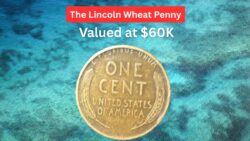
Other Rare and Valuable Lincoln Pennies Still Circulating in the United States
While the 1943-D bronze penny is the star of the show, several other Lincoln Wheat Pennies are worth serious money and are also still occasionally found in circulation across the USA.
| Coin Type | Year | Mint Mark | Value Range | Why It’s Valuable |
| 1943-S Bronze Penny | 1943 | S | Up to $63,000 | Bronze error at San Francisco |
| 1943 Bronze Penny | 1943 | None | Up to $55,000 | Philadelphia bronze strike |
| 1944 Steel Penny | 1944 | D or None | Up to $60,000 | Wrong metal used post-war |
| 1955 Double Die Penny | 1955 | None | $1,500–$10,000 | Misaligned die error |
| 1909-S VDB Penny | 1909 | S | $1,000–$3,000 | First year, low mintage |
| 1922 No D Penny | 1922 | No D | $500–$3,000 | Missing mint mark from Denver |
| 1914-D Penny | 1914 | D | $200–$4,500 | Tough to find in good condition |
Why This Rare Penny Is Still Circulating in the USA Today
You might wonder how such a valuable coin could still be changing hands in the USA. The reality is, many people don’t know what to look for. These pennies are often found in:
- Old piggy banks or jars
- Estate collections passed down without inspection
- Coin rolls from banks
- Loose change in drawers or vehicles
Because the bronze 1943-D penny looks very similar to the common versions, it can be easily overlooked—even by seasoned collectors.
How to Get Started with Coin Collecting in the United States
If the idea of finding a $170,000 penny excites you, you’re not alone. Here are some tips to help you get started as a collector:
- Inspect every penny you receive, especially pre-1960 coins.
- Buy a digital scale and magnet to test weight and metal type.
- Use a coin magnifier to spot date doubling or errors.
- Store finds in coin albums or sleeves to prevent damage.
- Join U.S.-based coin groups or forums to learn from experts.
- Stay patient—it can take time, but the payoff can be huge.
What to Do If You Think You’ve Found the $170K Lincoln Penny
Have a coin that fits the description? Here’s what to do next:
- Avoid touching it directly: Use gloves or a soft pouch.
- Don’t clean or alter the coin.
- Contact a certified coin grading company like PCGS or NGC.
- Get an appraisal from a licensed U.S. coin dealer.
- Consider auctioning it through a reputable U.S. auction house to reach serious buyers.
Final Thoughts: One U.S. Penny Could Be Worth More Than a Car
The 1943-D Lincoln Wheat Penny valued at $170,000 isn’t just a collector’s fantasy—it’s a real piece of United States history that could be hiding in your coin jar, your wallet, or even the next handful of change you receive. Keep your eyes open, do your research, and you might just strike gold with copper.
Disclaimer: Values are based on historical sales and market demand. Always consult certified professionals before buying or selling rare coins.