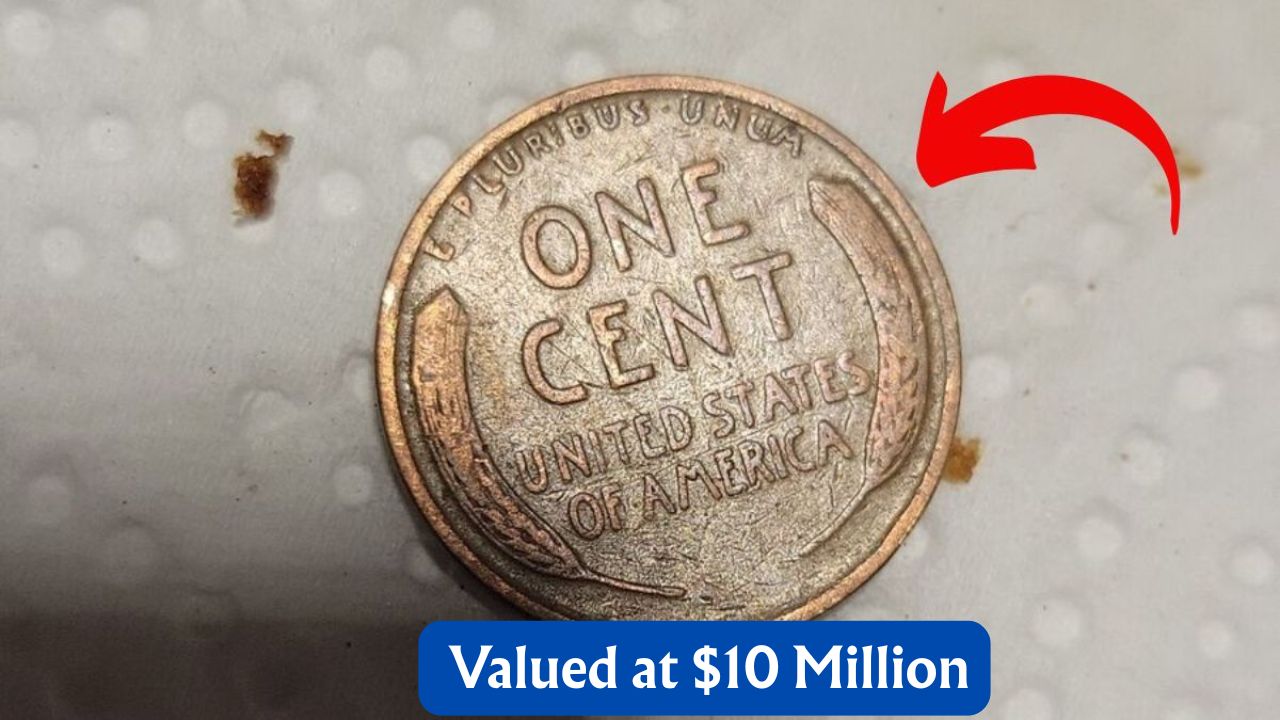
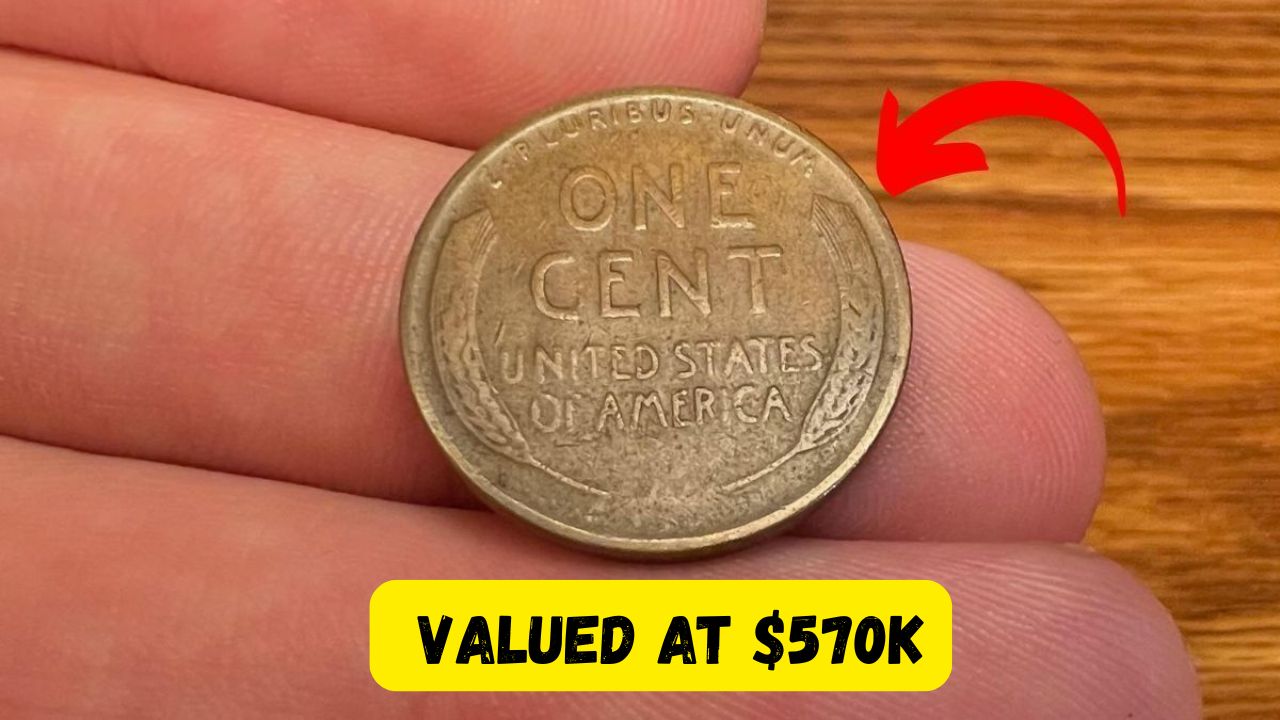
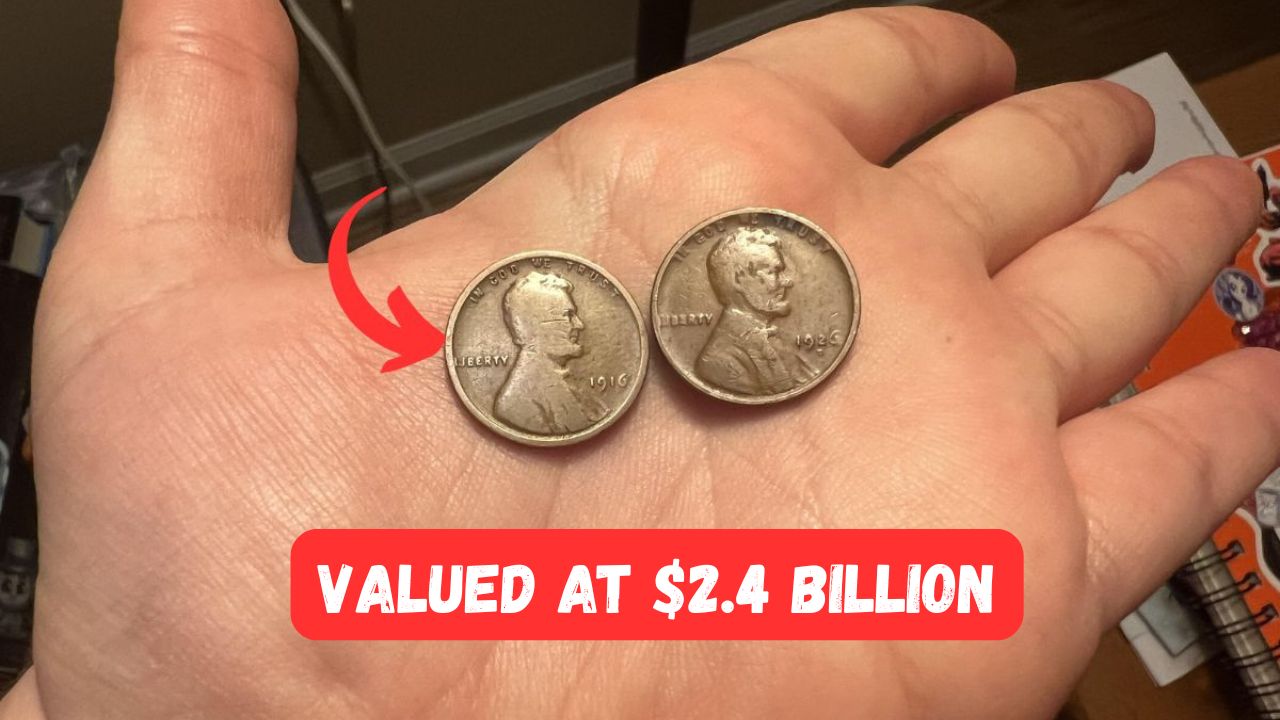
The Lincoln Wheat Penny Valued at $63K : Imagine turning over a penny and realizing you’re holding a piece of American history—one that could sell for $63,000. That’s the real possibility with one of the rarest Lincoln Wheat Pennies ever struck. Although minted over 80 years ago, this elusive coin is still believed to be circulating today. If you’ve ever dismissed a penny as worthless, this article might just change your mind.
The Lincoln Wheat Penny: A Collector’s Favorite with Hidden Gems
First released in 1909 to honor the 100th anniversary of Abraham Lincoln’s birth, the Lincoln Wheat Penny is a classic among U.S. coinage. Its iconic design—Lincoln’s portrait on the front and wheat stalks on the reverse—was used until 1958. Most of these coins are only worth a cent or two, but select rare editions have become highly coveted treasures among coin collectors.
The reason some Lincoln Wheat Pennies fetch tens of thousands of dollars? Rare mint errors, limited production runs, and historical quirks that occurred during specific years.
The $63,000 Lincoln Penny: The 1943-S Copper Wheat Penny
One of the most valuable and mysterious pennies in existence is the 1943-S Lincoln Wheat Penny made from copper. During World War II, copper was reserved for wartime production, so pennies were struck in steel instead. However, a few copper planchets mistakenly remained in the coining presses at the San Francisco Mint, resulting in a small batch of error coins.
Key Traits of the $63K Lincoln Penny:
- Year: 1943
- Mint Mark: “S” (San Francisco)
- Composition: Copper (instead of the standard steel)
- Weight: 3.11 grams (steel coins weigh 2.7 grams)
- Color: Reddish-brown
- Magnetic: No (steel coins are magnetic)
- Estimated Value: Up to $63,000 depending on grade and condition
Only a few of these coins have ever been authenticated, which makes their discovery all the more thrilling.
| Year | Mint Mark | Metal Type | Error/Type | Estimated Value | Special Feature | In Circulation? |
|---|---|---|---|---|---|---|
| 1943 | S | Copper | Wrong Planchet | $63,000 | Rare wartime error | Possibly |
| 1943 | D | Copper | Wrong Planchet | $83,000 | Denver Mint mistake | Rare |
| 1944 | Steel | D or None | Wrong Planchet | $60,000 | Rare reverse error | Possibly |
| 1909 | S VDB | Copper | Low Mintage | $1,000 – $3,000 | First of its kind | Rare |
| 1955 | None | Copper | Double Die | $1,500 – $10,000 | Strong doubling | Rare |
| 1922 | No D | Copper | Mint Error | $500 – $3,000 | Missing mint mark | Rare |
| 1931 | S | Copper | Low Mintage | $150 – $1,200 | Great Depression coin | Rare |
| 1943 | None | Steel | Regular Issue | $0.10 – $3 | Common wartime issue | Yes |
How to Spot the $63,000 Penny in Your Own Change
Before you toss that next handful of change, you may want to check it for treasure. Spotting a rare penny takes only a few seconds if you know what to look for:
- Inspect the date and mint mark: You want to find “1943” with an “S” below Lincoln.
- Use a magnet: If the penny sticks, it’s steel. If it doesn’t, it could be copper.
- Check the color: Steel pennies look silver; copper ones are brown or reddish.
- Weigh the coin: Use a coin scale to verify the weight—copper should be 3.11 grams.
- Look for wear and detail: Even circulated versions can be worth thousands if authenticated.
Other High-Value Pennies You Should Know About
While the 1943-S copper penny is rare and valuable, it’s not the only Lincoln Wheat Penny that can bring a windfall. Here are some others to look out for:
| Coin Type | Year | Mint Mark | Rarity/Error | Value Range | Distinctive Feature |
| 1943-D Copper Penny | 1943 | D | Wrong planchet | Up to $83,000 | Denver version |
| 1944 Steel Penny | 1944 | D or None | Leftover steel | Up to $60,000 | Unusual composition |
| 1955 Double Die | 1955 | None | Strong doubling | $1,500 – $10,000 | Doubled text |
| 1909-S VDB | 1909 | S | Low mintage | $1,000 – $3,000 | Initials on reverse |
| 1922 No D | 1922 | No D | Die error | $500 – $3,000 | No mint mark present |
| 1931-S | 1931 | S | Low mintage | $150 – $1,200 | Depression-era issue |
| 1914-D | 1914 | D | Key date | $200 – $4,500 | Tough to find in good shape |
Why These Rare Pennies Are Still in Circulation
It might seem surprising, but valuable coins like the $63,000 Lincoln penny do occasionally pop up in circulation. They often resurface from old collections, estate sales, or simply through people who never realized what they had. Because the coin looks similar to a common penny, it’s easy to overlook unless you know exactly what to watch for.
Some rare coins are also mixed in with bulk coin rolls from banks or are handed down unknowingly through generations.
How to Start Coin Collecting and Increase Your Odds
If you’re inspired to search for valuable coins, here’s how to start your collecting journey:
- Sort your change regularly and separate old or odd-looking coins.
- Invest in a magnifier and scale to spot errors and verify weight.
- Use online resources and books to research coin values.
- Store coins properly in holders or albums to avoid damage.
- Join coin forums or attend shows to meet other collectors and get tips.
- Stay patient—many great finds come from persistence and curiosity.
What to Do If You Think You’ve Found a Rare Penny
Here’s your step-by-step guide to confirming and selling a rare find:
- Do initial tests: Check date, weight, magnetic properties.
- Have it graded: Submit the coin to a reputable grading service like PCGS or NGC.
- Visit a trusted coin dealer: Get a second opinion and appraisal.
- Consider auctions: Rare pennies often fetch higher prices at auction houses.
- Avoid cleaning the coin: Even a light polish can lower the value dramatically.
One Cent, One Jackpot
A single coin, barely larger than a thumbnail, could be worth a life-changing amount. The $63,000 Lincoln Wheat Penny is not just a numismatic legend—it’s a real opportunity hiding in plain sight. Whether you’re a seasoned collector or someone who’s just curious, take a closer look at your change. That unassuming penny might just be your golden ticket.
Disclaimer: Values are subject to market conditions and coin condition In United States. Always seek professional authentication before buying or selling valuable coins.